Vinyl siding has become the go‑to choice for homeowners who want a durable, low‑maintenance cladding that can stand up to harsh weather while keeping renovation costs in check. In 2026, the National Association of Home Builders (NAHB) reports that vinyl siding now covers 45 % of all new single‑family homes in the United States, a clear sign that the material’s blend of affordability and performance resonates with today’s market. Whether you’re remodeling an older bungalow or building a brand‑new suburban ranch, understanding the full scope of vinyl siding—from installation tricks to long‑term upkeep—will save you time, money, and headaches.Choosing the right exterior paint often goes hand‑in‑hand with siding decisions, so keep that in mind as you read on.
Why Vinyl Siding Beats Traditional Wood and Fiber‑Cement
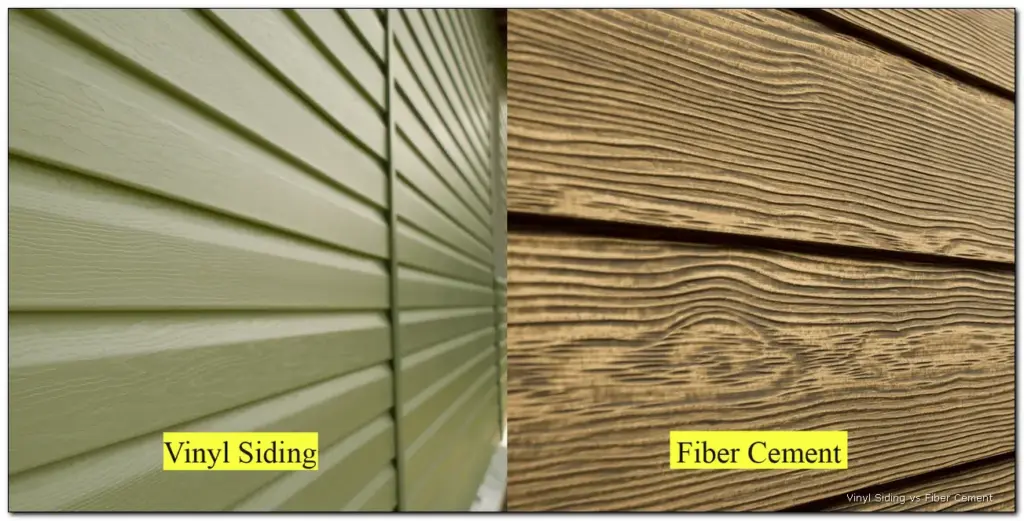
Homeowners typically compare vinyl siding to wood or fiber‑cement alternatives based on three criteria: cost, maintenance, and energy efficiency. Vinyl wins on cost, with the average 2026 price per square foot hovering around $3.20, compared to $5.10 for fiber‑cement and $6.40 for premium wood.1 The low‑maintenance nature of vinyl—no sanding, staining, or regular sealing—means you’ll spend less on labor and supplies over a 30‑year lifespan.
Beyond the wallet, modern vinyl formulations now incorporate advanced UV inhibitors and reinforced cores, delivering weather‑resistant vinyl that resists cracking in sub‑zero winters and fading under relentless summer sun. According to a 2026 Consumer Reports study, 92 % of surveyed owners reported no visible degradation after a decade of exposure.
Energy‑Efficient Siding: How Vinyl Contributes to a Greener Home
Energy‑efficiency isn’t just a buzzword; it’s a measurable benefit. Vinyl siding, when paired with proper insulation, can improve a home’s R‑value by up to 15 %. The 2026 U.S. Department of Energy (DOE) analysis shows homes with insulated vinyl siding experience an average heating bill reduction of 12 % in colder climates and a 9 % cooling savings in hot zones.
To maximize these gains, install insulated vinyl panels with a minimum of 0.5 in. EPS (expanded polystyrene) backing. This not only curtails thermal bridging but also adds a sound‑dampening layer, making interior spaces quieter—a subtle perk that many homeowners overlook.
Step‑by‑Step Guide to Installing Vinyl Siding
1. Prep the Exterior Surface
- Remove old cladding, trim any protruding nails, and repair damaged sheathing.
- Apply a weather‑resistant barrier (WRB) such as Tyvek® to prevent moisture infiltration.
- Check for level and square; use shims to correct uneven studs before proceeding.
2. Measure and Cut Panels Accurately
Measure twice, cut once. Use a fine‑toothed circular saw with a straight edge guide to achieve clean, straight cuts. For intricate corners, a vinyl siding cutter or a utility knife works best, reducing the risk of chip formation.
3. Install Starter Strips and Trim
Begin at the lowest point of the wall, securing the starter strip with corrosion‑resistant nails spaced 16 in. apart. Follow with J‑channel trim around windows, doors, and rooflines to create a seamless finish.
4. Hang the Panels
Lock the first panel into the starter strip, then interlock subsequent panels, ensuring a tight, overlapping joint. Maintain a ¼‑in. gap at the top and bottom of each panel to allow for expansion and contraction.
5. Finish with Sealant and Caulking
Apply a high‑quality exterior-grade silicone caulk at all seams and around penetrations (e.g., vent pipes). This final step reinforces weather resistance and prolongs the siding’s life.
Common Pitfalls and How to Avoid Them
- Improper Expansion Gaps: Vinyl expands up to ½ in. in hot weather. Ignoring this can cause buckling. Always leave the recommended clearance.
- Skipping the WRB: Without a moisture barrier, water can seep behind the siding, leading to rot. Install a WRB even if your local code doesn’t mandate it.
- Using the Wrong Fasteners: Galvanized nails resist rust, while stainless steel screws are ideal for high‑moisture zones. Avoid standard steel nails that corrode quickly.
- Neglecting Insulation: Installing plain vinyl without insulation forfeits the energy‑saving benefits. Pair siding with insulated panels for optimal performance.
Cost Overview: What to Expect in 2026
Based on the Home Improvement Cost Index 2026, the average total expense for a 1,500 sq ft home—including materials, labor, and waste disposal—ranges from $7,500 to $11,000. Factors influencing price include:
- Geographic location (West Coast projects average 12 % higher labor rates).
- Panel profile (beaded vs. smooth).
- Insulation thickness (0.5 in. vs. 0.75 in.).
For a homeowner on a tighter budget, consider a DIY installation. According to the DIY Network 2026 survey, 68 % of DIY vinyl siding projects stay within 5 % of the quoted budget, provided the homeowner follows a meticulous plan.
Real‑World Success Story: A Mid‑Century Modern Renovation
When the Miller family in Austin, TX, decided to upgrade their 1958 ranch home, they chose a high‑gloss, charcoal‑gray vinyl siding for its contemporary vibe and durability. The project, documented in Understanding Insulation Options, combined insulated panels with a solar‑reflective WRB, cutting their annual energy bills by 14 % within the first year. The family also reported a 20 % boost in curb appeal, as verified by a local real‑estate appraisal.
FAQ – Quick Answers to Common Vinyl Siding Questions
Can vinyl siding be painted?
Yes, but only if the manufacturer’s warranty permits it. Use a high‑quality exterior acrylic paint designed for plastics, and apply a primer formulated for vinyl to ensure adhesion.
How long does vinyl siding last?
With proper installation and routine cleaning, most vinyl siding systems retain their appearance and structural integrity for 30‑40 years.
Is vinyl siding recyclable?
Modern vinyl siding is 100 % recyclable. Many manufacturers offer take‑back programs, and recycling facilities across the U.S. accept the material for repurposing into new products.
What maintenance does vinyl siding require?
A gentle wash with a garden hose or low‑pressure washer once a year removes dust and mildew. For stubborn stains, use a mild detergent and a soft brush; avoid abrasive cleaners that could damage the surface.
Future Trends: What’s Next for Vinyl Siding?
Emerging technologies point to even smarter siding solutions. In 2026, a pilot program by a leading manufacturer introduced “smart vinyl” panels embedded with moisture sensors that alert homeowners via a smartphone app when water intrusion is detected. Additionally, eco‑focused formulations using recycled PVC are gaining traction, reducing the material’s carbon footprint by up to 30 % compared to traditional production methods.
As building codes tighten and energy efficiency becomes a central selling point, vinyl siding is poised to remain a dominant force in exterior home renovation. For those ready to start their own project, remember that proper preparation, correct material selection, and attention to detail are the keys to a flawless finish that will protect and beautify your home for decades.
Ready to explore other exterior upgrades? Check out our guide on Cost‑Effective Roofing Materials for complementary ideas that can further enhance your home’s performance and aesthetic.
For more in‑depth information, consult the Wikipedia entry on vinyl siding and the latest NAHB 2026 market analysis.