Hardie Board siding is the go‑to solution for homeowners who want a durable, low‑maintenance exterior that can stand up to the toughest weather while delivering a polished look; it’s essentially a type of fiber cement cladding engineered for maximum strength and design flexibility. If you’re planning an exterior home renovation in 2026, choosing Hardie Board means you’ll benefit from fire resistance, pest protection, and a finish that can mimic wood, stucco, or stone without the associated upkeep.
What Makes Hardie Board Different?
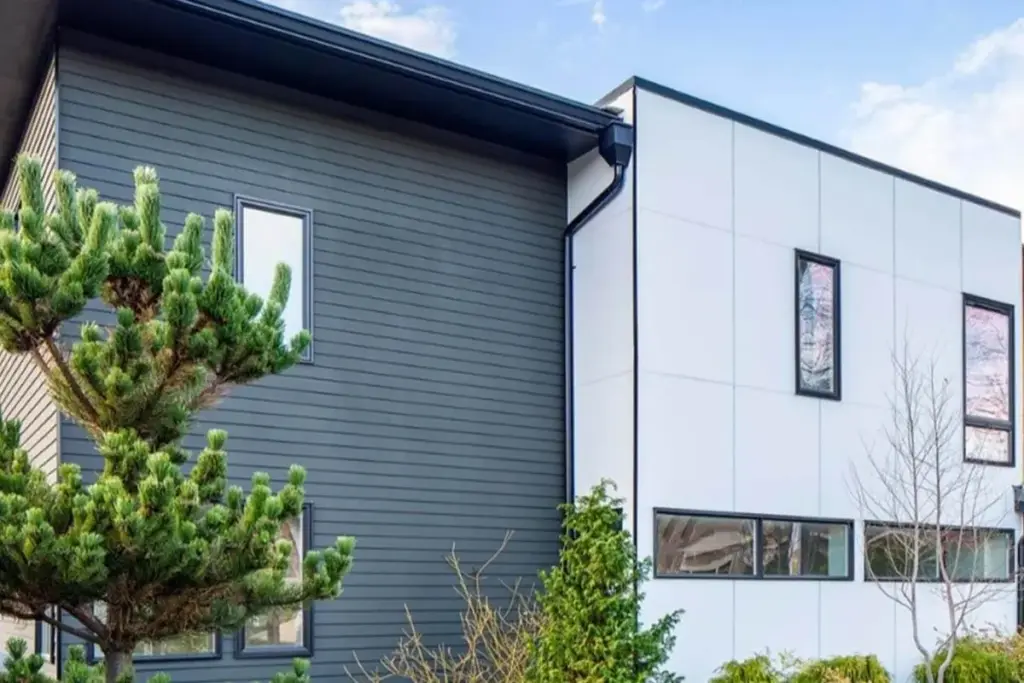
Hardie Board belongs to the broader family of fiber cement siding, but its proprietary formulation combines cement, sand, and cellulose fibers under high pressure and temperature. This composition gives it a density that resists rot, mold, and termites—issues that plague traditional wood siding. Moreover, the product is certified by the International Code Council (ICC) for fire resistance up to Class A, the highest rating available for exterior cladding.
Key Performance Attributes
- Weather‑resistant cladding: Withstands wind speeds over 150 mph and extreme UV exposure.
- Energy‑efficient exterior: Its thermal mass helps regulate indoor temperature, potentially lowering heating and cooling costs by up to 10 % according to the 2025 DOE Residential Energy Consumption Survey.
- Low maintenance: A simple wash with mild soap removes most stains; no repainting is needed for up to 15 years.
Benefits of Installing Hardie Board Siding
Homeowners often ask why they should invest in Hardie Board instead of cheaper alternatives. The answer lies in a combination of longevity, aesthetics, and resale value.
1. Longevity and Warranty
James Hardie offers a limited warranty of 30 years for residential applications, reflecting confidence in product durability. Independent testing by the National Association of Home Builders (NAHB) in 2025 showed an average service life of 40 years before major repairs are required.
2. Design Flexibility
Hardie Board comes in a variety of textures and finishes—smooth, wood‑grain, and even stucco‑like panels—allowing you to achieve the look of premium materials at a fraction of the cost. This flexibility makes it a popular choice for both modern minimalist homes and traditional Craftsman styles.
3. Environmental Impact
The manufacturing process utilizes recycled wood fibers, and the product is fully recyclable at the end of its life cycle. According to the Environmental Protection Agency’s 2025 report, fiber cement products contribute 15 % less carbon footprint compared to vinyl siding.
Installation Overview – What to Expect
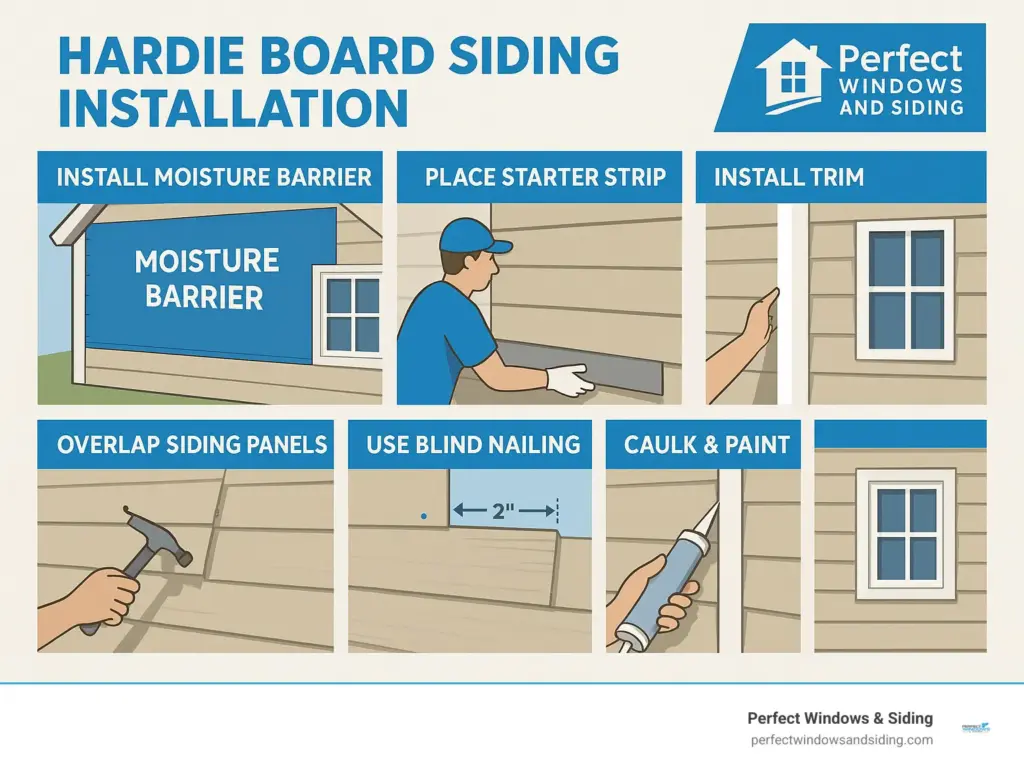
While Hardie Board is user‑friendly for seasoned contractors, proper installation is crucial for performance. Below is a step‑by‑step guide that outlines the core stages of a typical installation, whether you’re hiring professionals or taking a DIY approach.
Step 1: Planning and Permits
Start by measuring the exterior surface area and ordering the correct amount of panels, allowing a 5 % waste factor. Most municipalities require a building permit for siding replacement; check local codes—particularly fire‑rating requirements in high‑risk zones.
Step 2: Substrate Preparation
Inspect the underlying sheathing for any water damage. Install a weather‑resistant barrier (WRB) such as a housewrap to improve moisture management. For older homes, consider adding rigid foam insulation to boost energy efficiency.
Step 3: Cutting and Handling
Hardie Board can be cut with a standard circular saw fitted with a carbide‑tipped blade. Always wear a dust mask and eye protection, as cutting releases fine silica particles. For intricate cuts, a scoring knife works well on thinner panels.
Step 4: Fastening
Secure the panels using corrosion‑resistant nails or screws spaced no more than 16 in. (12 in. on high‑wind zones) according to the Hardie Board Installation Manual 2026. Avoid over‑driving fasteners to prevent cracking.
Step 5: Finishing
If you choose a pre‑painted product, a clear sealer may be applied to enhance UV protection. For raw panels, a high‑quality exterior acrylic paint is recommended; apply a primer first, then two coats of paint for optimal coverage.
Cost Considerations in 2026
Hardie Board sits in the mid‑to‑high price range among exterior cladding options. According to the 2026 Home Improvement Cost Index published by Remodeling Magazine, the average material cost is $7‑$10 per square foot, while professional installation adds $3‑$5 per square foot.
When you factor in the reduced maintenance, longer lifespan, and energy savings, the life‑cycle cost becomes competitive with premium wood and stone veneers. For a typical 2,000 sq ft home, total investment ranges from $20,000 to $30,000, with a projected payback period of 8‑12 years based on energy savings and avoided repair costs.
Hardie Board vs. Other Siding Options
Choosing the right siding often involves comparing multiple products. Below is a quick matrix that highlights how Hardie Board stacks up against popular alternatives like aluminum siding, vinyl, and LP SmartSide.
| Feature | Hardie Board | Aluminum Siding | Vinyl Siding | LP SmartSide |
|---|---|---|---|---|
| Fire Rating | Class A | Class B | Class C | Class B |
| Moisture Resistance | High (no rot) | Moderate | Low (prone to warping) | High |
| Paintability | Excellent | Limited | Low | Good |
| Typical Cost (per sq ft) | $7‑$10 | $4‑$6 | $3‑$5 | $6‑$9 |
Real‑World Case Study: A Suburban Renovation
In early 2026, a homeowner in Austin, Texas replaced outdated wood clapboard with Hardie Board to combat frequent moisture damage. Partnering with a local contractor identified through Find Top Siding Companies Near Me in 2026 – Expert Guide to Hiring Local Professionals, the project involved 2,200 sq ft of siding. Within six months, the homeowner reported a 12 % reduction in utility bills and no signs of mildew or cracking, even after a Category 4 hurricane passed nearby.
Common Mistakes and How to Avoid Them
- Skipping the WRB: Without a proper weather‑resistant barrier, moisture can infiltrate behind the panels, leading to mold growth.
- Improper Fastening: Over‑driven nails cause panel cracking; under‑driven fasteners reduce wind uplift resistance.
- Neglecting Paint Maintenance: Even pre‑finished Hardie Board benefits from an occasional clear coat to preserve UV protection.
- Using the Wrong Cutting Tools: Standard wood blades dull quickly on fiber cement; a carbide blade extends tool life and yields cleaner cuts.
Frequently Asked Questions
Is Hardie Board suitable for coastal areas?
Absolutely. Its resistance to salt‑spray corrosion and moisture makes it one of the best choices for beachfront properties.
Can I install Hardie Board over existing siding?
Yes, provided the existing surface is flat, structurally sound, and a WRB is installed. This can reduce labor costs by up to 20 %.
How long does it take to install Hardie Board on a standard single‑family home?
Professional crews typically complete a 2,000 sq ft installation in 7‑10 days, weather permitting.
Does Hardie Board qualify for ENERGY STAR® rebates?
When combined with insulated sheathing, many utilities offer rebates for improved energy performance; check your local program for specifics.
What is the environmental impact compared to vinyl?
Fiber cement uses up to 30 % recycled content and has a lower volatile organic compound (VOC) emission profile than PVC‑based vinyl siding.
Future Trends for Hardie Board Siding
Looking ahead to 2027 and beyond, manufacturers are experimenting with integrated smart‑home sensors embedded within the panels, allowing real‑time monitoring of moisture levels and structural integrity. Additionally, new color‑fast pigments developed in collaboration with the Paint Institute promise fade‑resistance for up to 25 years.
For homeowners interested in a broader perspective on exterior cladding options, the Fiber Cement Siding 2026: Ultimate Guide provides an in‑depth comparison of material science, cost trends, and installation best practices across the industry.
Conclusion
Choosing Hardie Board siding offers a blend of durability, aesthetic versatility, and energy efficiency that aligns with modern home‑ownership priorities. By following proper installation protocols, budgeting for the upfront investment, and maintaining the finish as recommended, homeowners can enjoy a resilient, beautiful exterior for decades.
Ready to upgrade your home’s façade? Start by consulting a certified siding professional and explore the comprehensive resources available on our site to make an informed decision.