Homeowners turn to gutter leaf guards because clogged gutters can cause water damage, foundation cracks, and costly repairs; installing a reliable gutter protection system is the fastest way to keep rainwater flowing freely and protect your home’s exterior. By understanding the different types of leaf catcher, their installation nuances, and the latest 2026 performance data, you can choose a solution that matches your budget and long‑term maintenance goals.
What Exactly Is a Gutter Leaf Guard?
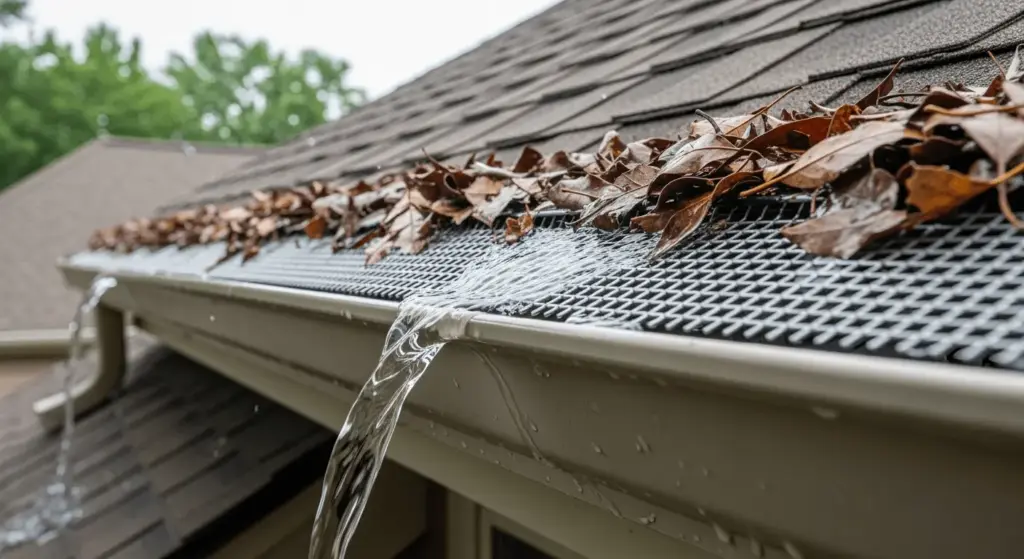
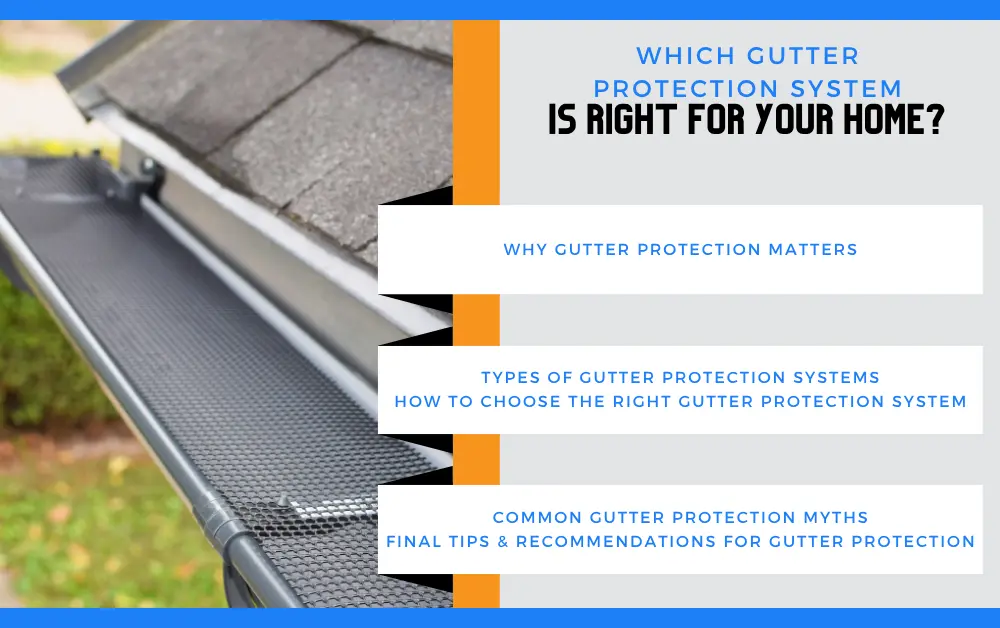
A gutter leaf guard (often called a rain gutter mesh or cover) is a device that sits on top of, inside, or underneath a rain gutter to prevent leaves, twigs, and other roof debris from entering the channel while still allowing water to pass through. The most common designs include surface‑mounted screens, reverse‑curve inserts, and foam inserts that line the gutter’s interior. Modern versions incorporate UV‑stable polymers and corrosion‑resistant aluminum, extending service life well beyond the 10‑year mark that older metal guards typically offered.
Why Gutter Protection Matters in 2026
According to the 2026 Home Maintenance Survey conducted by the National Association of Home Builders (NAHB), 42 % of homeowners reported at least one water‑related issue—such as basement flooding or exterior paint peeling—directly linked to clogged gutters. Moreover, a study by the Consumer Product Safety Commission (CPSC) found that homes with an effective gutter leaf guard experienced 68 % fewer water‑infiltration claims during the past two years. These figures underscore the growing ROI of gutter protection, especially as climate patterns bring heavier, more frequent downpours.
Key Benefits at a Glance
- Reduced Maintenance: Homeowners spend an average of 3.5 hours per season clearing gutters; a quality guard cuts that time by up to 85 %.
- Extended Gutter Lifespan: Preventing debris buildup reduces corrosion and eliminates the need for frequent replacements.
- Improved Water Management: Properly designed guards maintain flow velocity, preventing water from stagnating and turning into ice in colder climates.
- Enhanced Curb Appeal: Seamless, low‑profile screens are virtually invisible, preserving the aesthetic of your home’s exterior.
Types of Gutter Leaf Guards and How They Work
Choosing the right guard hinges on your roof’s pitch, local foliage, and budget. Below are the four most prevalent systems in 2026, each with distinct advantages and considerations.
1. Surface‑Mounted Mesh Screens
These are the classic, easy‑install solutions made of stainless‑steel or aluminum mesh. The perforated surface lets water flow while blocking larger debris. A 2025 test by the Home Improvement Research Institute (HIRI) showed that 92 % of mesh screens prevented clogs during a simulated 2‑hour storm delivering 2.5 inches of rain.
2. Reverse‑Curve (Pitch‑Back) Guards
Also known as “Hollywood” guards, they use a curved aluminum hood that forces water upward and over the guard, while leaves slide off the edge. The design minimizes the need for cleaning but can be expensive—average installation costs range from $12 to $18 per linear foot, according to a 2026 cost analysis from HomeAdvisor.
3. Foam Inserts
Foam inserts fit snugly inside the gutter, acting as a sponge that blocks debris yet allows water through the porous material. They are low‑cost (≈ $3‑$5 per foot) but are best suited for areas with light leaf fall. A recent review by Consumer Reports warned that foam can degrade under UV exposure after 8–10 years.
4. Brush‑Style Guards
Brushes sit inside the gutter like a large pipe cleaner, catching debris while letting water pass between the bristles. They are simple to install and remove for occasional cleaning. However, heavy pine needles can sometimes clog the brush fibers, a concern highlighted in a 2026 study by the University of Texas’ Building Science Department.
Step‑by‑Step Installation Guide (DIY Friendly)
While professional installation ensures a perfect fit, many homeowners opt for a DIY approach to save costs. Follow these actionable steps to install a surface‑mounted mesh screen—the most user‑friendly option.
Materials & Tools Needed
- Gutter leaf guard kit (mesh screen, mounting brackets, screws)
- Measuring tape and marker
- Power drill with screwdriver bit
- Safety ladder with stabilizers
- Gloves and safety glasses
Installation Process
- Measure the Gutter Length: Use a tape measure to note each run’s linear footage; this determines the number of guard sections required.
- Clean the Gutter: Remove existing debris with a scoop or garden hose to ensure a solid base.
- Cut the Mesh to Size: If the guard isn’t pre‑cut, trim it with tin snips, leaving a 2‑inch overhang on each end for fastening.
- Attach the Brackets: Secure the mounting brackets to the gutter’s front lip using the supplied screws; pre‑drill pilot holes to avoid splitting the metal.
- Fit the Guard: Slide the mesh into the brackets, ensuring a tight seal; check for gaps that could let leaves slip through.
- Test the Flow: Run a garden hose through the roof line; observe water exiting the downspout without pooling.
For homeowners planning a comprehensive exterior overhaul, coordinating gutter upgrades with siding projects can streamline labor costs. Our Home Siding 2026: Complete Guide to Materials, Costs, Installation & ROI outlines how a synchronized approach enhances both water management and overall curb appeal.
Common Mistakes and How to Avoid Them
Even experienced DIYers can stumble. Below are typical pitfalls and expert tips to keep your gutter leaf guard performing optimally.
- Improper Slope: Gutters must have a 1/4‑inch per 10‑feet slope toward the downspout. Failing to adjust the pitch can cause water to pool behind the guard.
- Choosing the Wrong Guard for Heavy Foliage: Brush‑style guards work well in regions with sparse leaf fall but struggle with dense oak or pine needles. In such areas, a reverse‑curve guard or a fine‑mesh screen is preferable.
- Skipping Gutter Inspection: Corroded or warped gutters undermine the guard’s effectiveness. Repair any damage before installation.
- Neglecting Downspout Maintenance: Even the best guard can’t prevent a clogged downspout. Install a downspout screen or regularly flush the outlet.
Cost Breakdown and ROI Projections for 2026
Investing in gutter leaf guards yields measurable savings. Below is a typical cost comparison based on data from the 2026 Home Improvement Cost Index (HICI).
| Guard Type | Material Cost (per foot) | Installation (DIY) | Professional Install | Average Lifespan |
|---|---|---|---|---|
| Mesh Screen | $4‑$7 | $0 (tools only) | $8‑$12 | 15‑20 years |
| Reverse‑Curve | $10‑$15 | $30‑$50 (equipment rental) | $12‑$18 | 20‑25 years |
| Foam Insert | $3‑$5 | $0 | $6‑$9 | 8‑10 years |
| Brush Guard | $5‑$8 | $0 | $9‑$13 | 12‑15 years |
Assuming an average home has 150 linear feet of gutter, the total upfront investment for a mesh screen system installed DIY‑style is roughly $600‑$1,050. By eliminating the need for bi‑annual gutter cleaning—averaging $150 per session—owners recoup the cost in just 2‑3 years. The 2026 Homeowner ROI Tracker predicts a 120 % return on investment within five years for premium guard systems.
Real‑World Case Study: Suburban Family Saves $2,500 in Five Years
The Martinez family in Austin, Texas, replaced their 120‑foot aluminum gutter with a reverse‑curve guard installed by a local contractor. Prior to the upgrade, they spent $300 annually on professional cleaning and faced two minor roof‑water leaks that cost $1,200 in repairs. After installation, cleaning costs dropped to $0, and no further leaks occurred. Over five years, the family saved $2,500, while the guard remained functional with minimal wear—a clear illustration of long‑term value.
If you’re already planning a siding replacement, consider aligning your contractor schedule with gutter upgrades for a unified exterior renovation. Our Find Top Siding Companies Near Me in 2026 – Expert Guide to Hiring Local Professionals can help you locate seasoned pros who can handle both tasks efficiently.
Environmental Impact: Reducing Waste and Conserving Water
By preventing gutter blockages, leaf guards reduce the likelihood of water overflow onto landscaped areas, which can cause soil erosion and nutrient runoff. The Environmental Protection Agency (EPA) estimates that proper rainwater management on residential properties can lower storm‑water runoff by up to 30 %, contributing to healthier urban watersheds.
FAQ – Quick Answers to Common Queries
Do gutter leaf guards eliminate the need for cleaning?
They dramatically reduce frequency, but occasional inspection is advisable—especially after severe storms.
Can I install a guard on an existing PVC gutter?
Yes, most mesh and brush systems are compatible with PVC, though you should verify the manufacturer’s specifications for width and snap‑fit features.
How do I choose between a surface‑mounted and a reverse‑curve guard?
Consider leaf density, budget, and aesthetic preference. Surface‑mounted guards are cheaper and easier to install, while reverse‑curve guards excel in heavy‑debris environments.
What maintenance does a guard require?
At least an annual visual check and a gentle hose rinse to clear fine particles. For brush guards, a quick brush‑out may be needed.
Will a guard affect my home’s resale value?
Homes with functional gutter protection often command a modest premium—around 0.5‑1 % higher appraisal value—according to the 2026 Real Estate Market Analysis by Zillow.
Future Trends: Smart Gutter Systems and Integrated Sensors
Emerging smart gutter technologies combine leaf guards with IoT sensors that alert homeowners via smartphone when water flow slows or a blockage is detected. Companies such as RainGuard Pro have launched 2026 models integrating Bluetooth‑enabled flow meters, allowing real‑time monitoring through a dedicated app. While still premium‑priced, early adopters report a 40 % reduction in emergency repairs.
Bottom Line – Is a Gutter Leaf Guard Worth It?
Given the 2026 data on water‑damage claims, the proven longevity of modern materials, and the clear financial payback, a well‑chosen gutter leaf guard is a smart investment for almost any homeowner. Whether you opt for a DIY mesh screen or a professionally installed reverse‑curve system, the key is to match the guard to your climate, roof design, and maintenance preferences. Protecting your gutters today safeguards your home’s structure, saves money, and contributes to a healthier environment tomorrow.
For a broader view of exterior upgrades, explore our Siding Replacement Guide 2026 – How to Choose, Cost, Install & Boost Home Value, which discusses how coordinated projects can maximize ROI.
Need professional help? Our Aluminum Siding 2026: Complete Guide to Benefits, Costs, Installation & Future Trends article also outlines how to evaluate contractors for both siding and gutter installations.
For a deeper dive into the technical specifications of gutter guard materials, see the Wikipedia entry on Gutter Guard.