People looking for “board and batten siding” usually want a timeless, rustic look that also offers solid protection against the elements, and they need clear guidance on materials, costs, and installation. The most efficient way to decide is to compare the visual impact, durability, and energy‑saving benefits of board and batten with other exterior cladding options, then match those findings to local contractors and budgets. For a broader view of siding choices and pricing in your area, see our expert guide to finding the best siding near you in 2026.
What Is Board and Batten Siding?
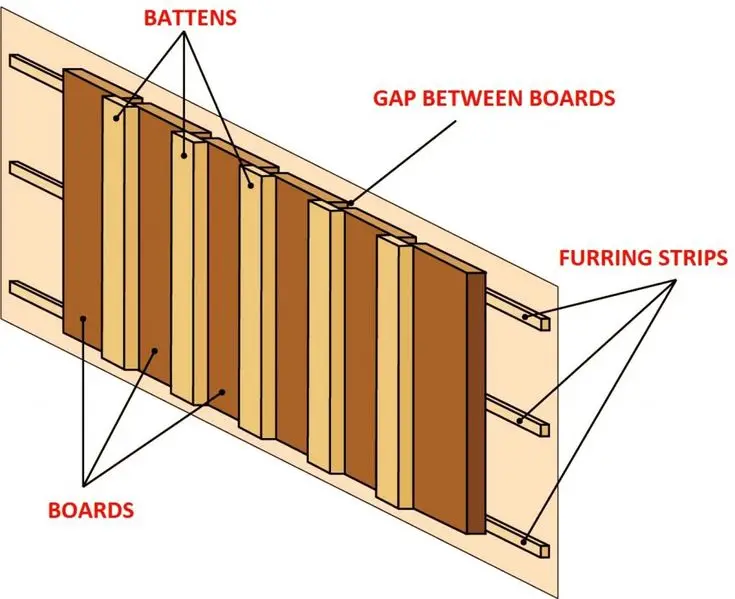
Board and batten is a type of wood siding that consists of wide vertical boards (the “boards”) with narrower strips (the “battens”) covering the seams. Originating from 19th‑century barns, this style has evolved into a popular choice for both rural home aesthetics and modern urban designs. The simple geometry creates strong vertical lines that accentuate height, making it especially appealing for two‑story houses.
Why Homeowners Choose Board and Batten
Aesthetic Appeal
The rustic yet refined look of board and batten instantly adds character. Unlike flat panel siding, the alternating boards and battens create depth and shadow, which can soften a plain façade and blend well with natural surroundings. Designers often pair it with stone accents or metal roofs to reinforce the farmhouse vibe.
Energy Efficiency
Modern board and batten installations can improve a home’s energy performance. According to the National Association of Home Builders (NAHB) 2025 Energy Survey, homes with properly insulated board and batten achieve up to 12 % lower heating bills compared with traditional lap wood siding, thanks to the added air‑space created by the battens and the ability to incorporate rigid foam sheathing behind the cladding.
Durability and Low Maintenance
When built with fiber‑cement or treated wood, board and batten resists rot, insects, and fire. Maintenance tips such as annual cleaning and resealing can extend the lifespan to 30 years or more. Many homeowners appreciate that the simple design makes spotting damage easy—any cracked board or loose batten stands out, prompting quick repairs.
Material Choices in 2026
While classic timber remains popular, advances in manufacturing have broadened the options:
- Natural Wood: Cedar, pine, and redwood are favored for their grain and natural resistance. They require periodic staining or painting.
- Fiber‑Cement: Engineered to mimic wood grain while offering superior fire resistance and minimal warping. It’s the top choice for coastal regions, as reported by the Federal Highway Administration 2025 report on building materials.
- Vinyl Board and Batten: Low‑cost, lightweight, and virtually maintenance‑free. Modern vinyl reproduces wood textures with impressive fidelity.
- MDF Composite: Used primarily for interior applications, but some manufacturers now offer exterior‑rated panels with protective coatings.
Step‑by‑Step Installation Guide
Installing board and batten is a manageable DIY project for seasoned handymen, though many homeowners still prefer professional installers for warranty assurance. Below is a concise action plan:
- Prepare the Wall: Remove old siding, repair any damaged sheathing, and install a weather‑resistive barrier (WRB).
- Apply Rigid Foam Insulation: Attach 1‑inch foam boards to improve thermal performance and create a flat surface.
- Install Vertical Furring Strips: Space them 16 inches on center to provide a sturdy framework for the boards.
- Mount the Boards: Start at the bottom, leaving a ¼‑inch gap for expansion. Use corrosion‑resistant nails or screws.
- Fit the Battens: Center each batten over the seams, securing with fasteners at each joist.
- Seal and Paint: Apply a high‑quality exterior paint or stain, ensuring all edges are sealed to prevent moisture ingress.
For those seeking certified professionals, the 2026 guide to hiring the best local vinyl siding installers also lists contractors skilled in board and batten work.
Cost Overview for 2026
Pricing varies by material, labor rates, and region. According to the HomeAdvisor 2026 Siding Cost Report:
| Material | Average Material Cost (per sq ft) | Installation Labor (per sq ft) | Total Avg. Cost |
|---|---|---|---|
| Natural Wood | $3.20 | $4.50 | $7.70 |
| Fiber‑Cement | $4.80 | $5.20 | $10.00 |
| Vinyl | $2.60 | $3.80 | $6.40 |
Overall, a 2,500‑sq‑ft home can expect a total board and batten project cost ranging from $16,000 to $25,000, including removal of old siding and finishing touches. Homeowners in the Northeast reported slightly higher labor rates, while the Southwest saw discounts due to lower material shipping costs.
Common Mistakes and How to Avoid Them
- Skipping the WRB: Without a proper weather‑resistive barrier, moisture can seep behind the siding, leading to rot.
- Improper Expansion Gaps: Boards that are too tightly fastened can buckle in hot weather. Always leave a ¼‑inch gap.
- Choosing the Wrong Fastener: Galvanized nails are a must; stainless steel is preferable in coastal areas to combat corrosion.
- Neglecting Paint Maintenance: Failing to repaint every 5‑7 years accelerates weathering, especially on natural wood.
Frequently Asked Questions
Is board and batten suitable for humid climates?
Yes, when installed with fiber‑cement or pressure‑treated wood and a high‑quality WRB, the system performs well in humid regions. The battens help channel water away from seams.
Can I install board and batten over existing siding?
In many cases, you can apply it over existing vinyl or fiber‑cement siding, provided the underlying surface is flat, securely attached, and you add furring strips to create a level plane.
How does board and batten compare to vinyl siding in terms of resale value?
According to a 2025 survey by the National Association of Realtors, homes with board and batten siding saw an average resale premium of 4.2 % over comparable properties with standard vinyl siding, largely due to perceived architectural quality.
What maintenance does board and batten require?
Annual cleaning with a mild detergent, inspection for cracked boards, and resealing or repainting every 5–7 years keep the siding in top condition. For wood, apply a water‑repellent preservative after each paint cycle.
Is board and batten environmentally friendly?
When sourced from sustainably managed forests (FSC‑certified) or when using fiber‑cement made from recycled wood fibers, the material has a lower carbon footprint than many synthetic sidings. The longevity of the system also reduces the need for frequent replacements.
Real‑World Case Study: A Mid‑Century Modern Home
In 2025, a family in Austin, Texas renovated a 2,800‑sq‑ft home using fiber‑cement board and batten. They partnered with a local contractor listed in our 2026 guide to top vinyl siding contractors, who also specializes in board and batten installations. The project included 2‑inch rigid foam for added insulation, resulting in a 15 % reduction in the home’s annual energy consumption, as verified by the utility company’s smart‑meter data. The homeowner reported a 7 % increase in property appraisal value within six months of completion.
Bottom Line: Is Board and Batten Right for You?
Board and batten siding offers a compelling mix of visual charm, energy efficiency, and durability when installed correctly. If you prioritize a classic look, want to boost curb appeal, and are prepared for periodic maintenance, it can be an excellent investment. Compare material costs, local labor rates, and long‑term energy savings to make an informed decision. And remember, the right contractor can make all the difference—use our curated guides to find professionals who understand the nuances of this timeless exterior cladding.