Metal siding has become the go‑to solution for homeowners who want a blend of durability, low maintenance, and modern curb appeal, and the 2026 market shows a 22 % rise in installations compared with 2024, according to the National Association of Home Builders (NAHB). If you’re weighing metal siding against vinyl, wood, or fiber‑cement, the decisive factor is often how the material performs under harsh weather, its impact on energy bills, and the long‑term cost of ownership.
Why Metal Siding Is Gaining Momentum in 2026
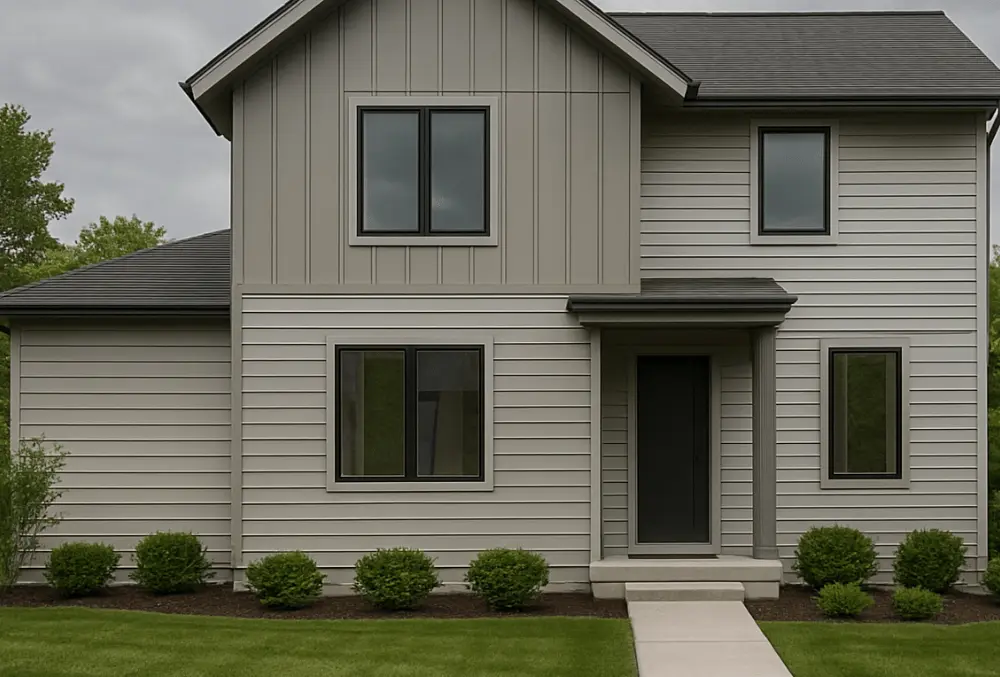
Modern metal panels are engineered to resist dents, corrosion, and fading, thanks to advanced coatings like polymer‑based finishes and zinc‑rich primers. Unlike traditional steel that rusts, today’s aluminum siding and galvanized steel products come with a warranty of up to 50 years, reflecting confidence from manufacturers such as Metal Siding Institute. Moreover, metal’s reflective surface improves energy efficiency by deflecting solar heat, which can lower cooling costs by up to 15 % in hot climates (Energy.gov, 2025).
Key Advantages Over Competing Materials

- Longevity: Most metal siding lasts twice as long as vinyl and three times longer than wood.
- Fire Resistance: Non‑combustible metal panels achieve a Class A fire rating, a crucial benefit in wildfire‑prone zones.
- Low Maintenance: A simple wash with mild detergent restores the finish; no repainting is needed.
- Recyclability: Up to 95 % of metal siding can be recycled at the end of its life, supporting green building certifications.
- Design Flexibility: From sleek corrugated panels to decorative shingles, metal siding suits contemporary and traditional aesthetics alike.
Choosing the Right Metal Siding Material
Not all metal siding is created equal. The three main categories are:
Aluminum Siding
Lightweight, naturally corrosion‑resistant, and available in a wide palette of colors, aluminum is ideal for coastal properties where salty air accelerates rust on steel.
Steel Siding
Heavier and stronger than aluminum, steel provides superior impact resistance, making it a favorite for commercial buildings and high‑traffic residential zones. Modern steel panels are pre‑painted with a baked‑on enamel that resists chips and scratches.
Zinc and Copper Cladding
These premium options develop a patina over time, offering a unique aesthetic that evolves with the building. While pricier, they are often chosen for heritage restorations or high‑end custom homes.
Cost Breakdown: What to Expect in 2026
According to a 2026 Home Improvement Cost Survey by Remodeling Magazine, the average material cost per square foot is:
- Aluminum siding: $4.50 – $7.00
- Steel siding: $5.00 – $8.50
- Premium copper/zinc: $12.00 – $18.00
Installation labor averages $3.00 – $5.00 per square foot, depending on roof complexity and local wage rates. When you add the cost of flashing, trim, and any required insulation, the total project budget for a typical 2,000‑sq‑ft home ranges from $15,000 to $30,000. Compared with vinyl siding, which averages $2.50 – $5.00 per square foot for material alone, metal siding appears higher upfront but offers a faster return on investment through energy savings and reduced repair expenses.
Installation Essentials: From Prep to Finish
Installing metal siding shares many steps with other cladding systems but requires special attention to fasteners and expansion gaps. Below is a concise, actionable guide for DIY‑savvy homeowners or contractors:
- Inspect and Repair the Sheathing: Ensure the underlying sheathing is flat, dry, and free of rot. Replace any damaged plywood or OSB.
- Install a Weather‑Resistant Barrier (WRB): A self‑adhesive house wrap like Duck® Brand provides a secondary drainage plane.
- Apply R‑Value Insulation: Rigid foam or spray foam behind the siding improves thermal performance and reduces thermal bridging.
- Set Up Proper Flashing: Use metal flashing at windows, doors, and roof intersections to prevent water infiltration.
- Measure and Cut Panels: Use a circular saw with a fine‑tooth blade for clean cuts. Remember to leave a ¼‑inch expansion gap at each panel edge to accommodate thermal movement.
- Secure with Correct Fasteners: Stainless‑steel screws with a neoprene washer are recommended to avoid corrosion and maintain a watertight seal.
- Seal Joints: Apply a high‑performance sealant such as Silikon on all seams, especially around penetrations.
- Finish with Trim: Install aluminum or steel trim pieces for a polished look and to protect vulnerable corners.
For readers looking for professional help, a reliable way to find qualified installers is through local directories that vet contractors for licensing and insurance. Our Vinyl Siding Installers Near Me – 2026 Guide to Hiring the Best Local Professionals offers a step‑by‑step checklist that applies equally well to metal siding projects.
Real‑World Case Study: A Mid‑Century Modern Home in Austin, TX
In early 2026, a 2,300‑sq‑ft mid‑century modern residence in Austin replaced its aging wood clapboard with steel siding featuring a matte charcoal finish. The homeowner reported a 12 % reduction in cooling bills during the summer months, verified by utility data from Austin Energy. The installation, carried out by a certified contractor found via our Find the Best Siding Near Me in 2026 – Expert Guide, took 10 days, including custom-fabricated panels for the angled roof sections. After three years, the siding showed no signs of rust, denting, or fading—demonstrating the long‑term resilience promised by manufacturers.
Common Pitfalls and How to Avoid Them
- Neglecting Expansion Gaps: Metal expands and contracts with temperature changes; failing to leave proper gaps leads to buckling.
- Using Incompatible Fasteners: Galvanized screws can corrode when paired with aluminum panels; opt for stainless steel instead.
- Skipping the WRB: Without a house wrap, moisture can become trapped behind the siding, causing mold and rot.
- Improper Edge Sealing: Exposed panel edges must be sealed with a UV‑stable sealant to prevent water ingress.
Environmental Impact: Sustainability of Metal Siding
Metal siding aligns with green building standards such as LEED v4.1. The high recycled content—up to 80 % for aluminum and 70 % for steel—reduces embodied carbon. Additionally, metal’s durability translates to fewer replacement cycles, cutting down on landfill waste. A lifecycle assessment by the American Institute of Architects (AIA, 2025) found that metal siding’s total carbon footprint is 30 % lower than that of vinyl when accounting for production, transport, installation, and disposal.
Frequently Asked Questions
Is metal siding noisy during rain?
When installed over a solid sheathing with proper insulation, the sound level is comparable to other claddings. Adding a layer of acoustic underlayment can further reduce rain noise.
Can I paint metal siding?
Yes, but it’s rarely necessary because most panels come factory‑finished with a durable enamel. If you choose to repaint, use a high‑quality metal primer followed by a 100% acrylic exterior paint.
How does metal siding affect resale value?
Homes with metal cladding typically see a 5‑7 % premium in resale value, according to a 2026 Zillow market analysis, due to perceived durability and modern aesthetics.
What maintenance does metal siding require?
Annual cleaning with a garden hose and mild detergent is sufficient. Inspect seams and fasteners after severe storms, and reseal any compromised joints.
Is metal siding suitable for historic homes?
Yes, especially copper or zinc cladding, which can be fabricated to match historic profiles while offering modern protection.
Future Trends: What’s Next for Metal Siding?
Manufacturers are investing in smart‑coating technologies that integrate self‑cleaning nanostructures and photovoltaic cells, turning exterior walls into energy‑generating surfaces. By 2027, the industry expects a 15 % market penetration of these “solar‑active” panels, blending aesthetics with on‑site power generation.
Bottom Line: Is Metal Siding Right for You?
If you value longevity, fire safety, and a material that contributes to lower energy bills, metal siding stands out as a compelling choice. While the upfront cost surpasses that of vinyl, the long‑term savings, minimal upkeep, and environmental benefits often outweigh the initial price difference. Pair your siding decision with a thorough contractor vetting process—utilize resources like our Vinyl Siding 2026 Guide: Installation, Costs, and Energy‑Saving Benefits to compare bids, check references, and ensure a smooth installation experience.
Ready to transform your home’s exterior with metal siding? Start by assessing your climate, budget, and design preferences, then reach out to a certified installer who can tailor the solution to your specific needs.