Homeowners looking to improve curb appeal, boost energy efficiency, and protect their investment often start by asking, “What’s the best home siding option for my house?” The answer hinges on climate, budget, aesthetic goals, and long‑term maintenance plans, and the market in 2026 offers more high‑performance choices than ever before. By understanding the material properties, installation nuances, and expected return on investment, you can select siding that not only enhances your home’s appearance but also adds measurable value.
Why Home Siding Is a Strategic Home Improvement
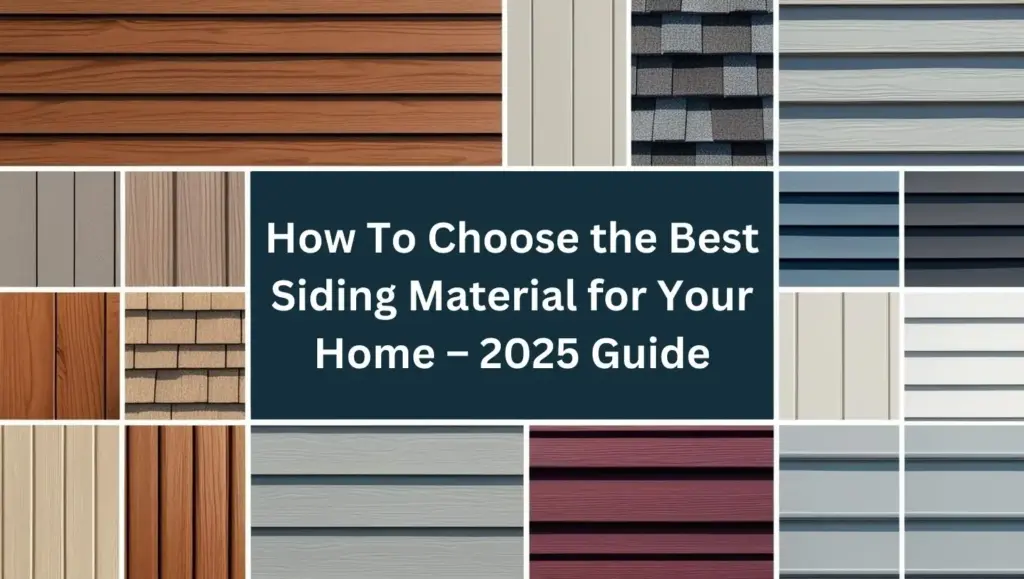
Siding serves as the first line of defense against wind, rain, UV radiation, and pests, while simultaneously shaping the visual identity of a property. According to the National Association of Home Builders (NAHB) 2025 Housing Outlook, exterior upgrades—including siding—rank among the top three improvements that yield the highest resale premium, averaging a 3‑5% increase in home value. Moreover, modern energy‑efficient siding systems can lower heating and cooling costs by up to 12% when paired with proper insulation, according to a 2026 study from the Department of Energy (DOE).
Top Home Siding Materials in 2026
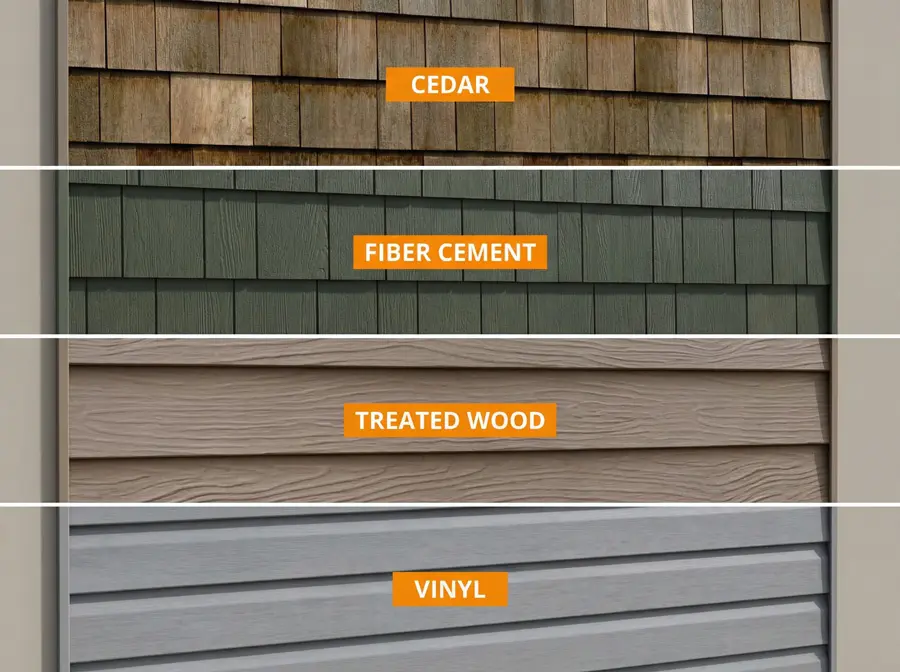
Choosing the right material starts with a clear comparison of performance, cost, and aesthetics. Below is an overview of the most popular options as of 2026, each supported by recent industry data.
Fiber Cement Siding
Fiber cement has solidified its reputation as a versatile, durable choice. It combines cement, sand, and cellulose fibers to create a product resistant to rot, insects, and fire. The Fiber Cement Siding 2026: Ultimate Guide notes an average lifespan of 30‑50 years, with a cost range of $6‑$12 per square foot installed. Its ability to mimic wood, stucco, or masonry makes it a favorite for homeowners seeking a premium look without the upkeep.
Vinyl Siding
Vinyl remains the most widely used exterior cladding in the United States, thanks to its affordability and low maintenance. In 2026, advanced formulations with UV‑stabilized polymers have reduced fading by 40% compared to older models (Consumer Reports, 2026). Installation costs average $3‑$5 per square foot, and the material can be recycled at the end of its 25‑year service life, aligning with growing sustainability goals.
Aluminum Siding
Aluminum offers a sleek, modern appearance and is especially prized in coastal regions for its corrosion resistance. Recent coatings have improved dent resistance, and the material’s lightweight nature reduces labor time. According to the Aluminum Siding 2026 guide, the typical price point sits between $4‑$8 per square foot, with a projected lifespan of 30‑40 years when properly maintained.
Hardie Board (Fiber Cement) Siding
Hardie Board, a branded fiber cement product, is renowned for its fire rating (Class A) and design flexibility. The Hardie Board Siding 2026: The Ultimate Guide highlights its compatibility with a wide range of textures—from smooth panels to deep wood grain embossing—making it suitable for both contemporary and traditional architectures. Expect costs of $7‑$13 per square foot, reflecting its premium positioning.
LP SmartSide
LP SmartSide blends engineered wood with polymer resin, delivering a material that looks like wood but resists moisture and impact. Its proprietary SmartGuard® technology provides a 15‑year warranty against rot and decay. Installation typically ranges from $5‑$9 per square foot. Homeowners appreciate its natural wood aesthetics without the frequent painting required by traditional timber siding.
Stone Veneer
Stone veneer offers the luxury look of natural stone at a fraction of the weight and cost. Panels can be installed over existing siding, reducing demolition waste. Prices vary widely—$10‑$25 per square foot—but the visual impact and durability (often 50+ years) make it a strong value proposition for high‑end remodels.
Cost Overview and Return on Investment (ROI)
Understanding the financial implications helps you budget effectively and anticipate the resale boost. Below is a concise cost breakdown, followed by ROI estimates based on recent real‑estate data.
- Fiber cement (including Hardie Board): $6‑$13/sq ft; average ROI 4.5%.
- Vinyl: $3‑$5/sq ft; average ROI 3.8%.
- Aluminum: $4‑$8/sq ft; average ROI 4.2%.
- LP SmartSide: $5‑$9/sq ft; average ROI 4.0%.
- Stone veneer: $10‑$25/sq ft; average ROI 5.0% (higher in luxury markets).
The 2026 National Real Estate Survey (NRES) found that homes with newly installed siding sold 12‑15 days faster than comparable listings, underscoring the market’s preference for refreshed exteriors.
Installation Tips and Common Mistakes
A flawless siding job hinges on preparation, technique, and quality control. Here are actionable steps and pitfalls to avoid:
Step‑by‑Step Installation Guide
- Assess and Repair the Substrate: Inspect sheathing for water damage, replace rotted sections, and ensure a flat surface.
- Install a Weather‑Resistant Barrier (WRB): Use a breathable WRB like house wrap to prevent moisture intrusion while allowing vapor to escape.
- Apply Rigid Foam Insulation (Optional): Adding ½‑inch to 1‑inch foam can improve R‑value by 2‑3 points, contributing to the energy‑efficient siding promise.
- Follow Manufacturer’s Nailing Schedule: Over‑driving nails can crush panels; under‑driving leads to wind uplift.
- Seal All Joints and Penetrations: Use high‑quality caulk to maintain the envelope’s integrity.
Common Mistakes
- Skipping the WRB—leads to hidden moisture and mold.
- Improper flashing around windows and doors—causes water infiltration.
- Using the wrong fastener length—can compromise wind resistance.
- Neglecting expansion gaps—especially critical for vinyl and aluminum, which expand in heat.
- Choosing the cheapest contractor without checking references—can result in uneven installation and voided warranties.
Maintenance Best Practices for Longevity
Even low‑maintenance siding benefits from periodic care. Follow these simple routines to preserve appearance and performance:
- Annual Inspection: Look for cracked seams, loose panels, or water stains after heavy rain.
- Gentle Cleaning: Use a garden hose and mild detergent; avoid high‑pressure washers on fiber cement to prevent surface erosion.
- Re‑Caulking: Refresh caulk around trim every 5‑7 years.
- Paint Refresh (for wood‑based products): Repaint every 5‑10 years, depending on exposure.
Choosing the Right Contractor
The quality of your siding project is often dictated by the professionalism of the installer. A reputable contractor will provide a detailed estimate, proof of insurance, and a portfolio of recent jobs. The Find Top Siding Companies Near Me in 2026 guide offers a checklist for vetting local experts, including questions about warranty handling and crew certification.
When interviewing candidates, ask for references that specifically mention siding installation experience with your chosen material. Verify that the contractor follows the manufacturer’s installation manual—non‑compliance can void product warranties, a crucial consideration for high‑end options like Hardie Board or stone veneer.
Siding Replacement vs. New Construction: When to Upgrade
Even if your home’s structure is sound, siding can become outdated or damaged over time. The Siding Replacement Guide 2026 – How to Choose, Cost, Install & Boost Home Value outlines three scenarios that merit replacement:
- Visible Wear: Cracking, fading, or warping that detracts from curb appeal.
- Energy Concerns: Drafts or uneven interior temperatures indicating insufficient insulation.
- Regulatory Changes: Updated building codes requiring fire‑rated or hurricane‑resistant materials.
In many cases, replacing siding is more cost‑effective than a full exterior remodel, delivering comparable ROI with less disruption.
Future Trends Shaping Home Siding in 2026 and Beyond
Home improvement trends are increasingly driven by sustainability, technology integration, and design flexibility. Anticipate the following developments:
- Smart Siding: Embedded sensors that monitor moisture levels and temperature differentials, alerting owners to potential leaks before damage occurs.
- Eco‑Friendly Materials: Recycled-content fiber cement and bio‑based polymers are gaining market share as greener alternatives.
- Hybrid Textures: Combining stone veneer panels with metal trims for a modern industrial aesthetic.
- Color‑Lock Technology: New pigment technologies claim up to 20 years of fade resistance without repainting.
Frequently Asked Questions (FAQ)
What is the most durable siding material?
Fiber cement (including Hardie Board) and stone veneer typically offer the longest lifespans—30‑50 years and beyond—while also providing fire resistance and low maintenance.
Can I install new siding over existing siding?
Yes, many manufacturers approve overlay installations provided the existing cladding is flat, securely fastened, and a proper WRB is installed. This can reduce labor costs and waste.
How does siding affect my home’s energy efficiency?
Adding insulated siding or rigid foam behind the cladding can improve the wall’s overall R‑value by 2‑4 points. Coupled with airtight sealing, homeowners often see a 5‑12% reduction in utility bills.
Is vinyl siding still a good choice in 2026?
Modern vinyl has improved UV protection and color retention, making it a viable, budget‑friendly option for many climates. However, it lacks the fire rating of fiber cement and may not suit high‑end markets.
How long does a professional siding installation take?
For a typical 2,000‑sq ft home, most crews complete the job in 4‑6 days, including removal of old material, preparation, and finishing touches.
Conclusion: Making an Informed Decision
Home siding is more than a cosmetic upgrade; it’s a strategic investment that protects your property, enhances energy performance, and boosts resale value. By evaluating material characteristics, budgeting for realistic costs, and selecting a qualified contractor, you can ensure a siding project that stands the test of time. Whether you opt for the classic look of fiber cement, the low‑maintenance appeal of vinyl, or the luxurious finish of stone veneer, the right choice will reflect your lifestyle, climate demands, and long‑term financial goals.
Ready to start planning? Explore our comprehensive resources such as the Home Siding 2026: Complete Guide to Materials, Costs, Installation & ROI for deeper insight into each product line and detailed budgeting tools.