Hardie board, a fiber‑cement siding product from James Hardie, is the go‑to solution for homeowners who need a durable, low‑maintenance exterior that can endure harsh weather while looking sleek. If you’re searching for a material that resists rot, fire, and pests without the high upkeep of wood, Hardie board delivers exactly that, and the installation process is straightforward enough for seasoned contractors and ambitious DIYers alike. For a broader look at siding options, see our expert guide to siding for houses in 2026, which places Hardie board among the top contenders.
What Is Hardie Board and Why It Matters
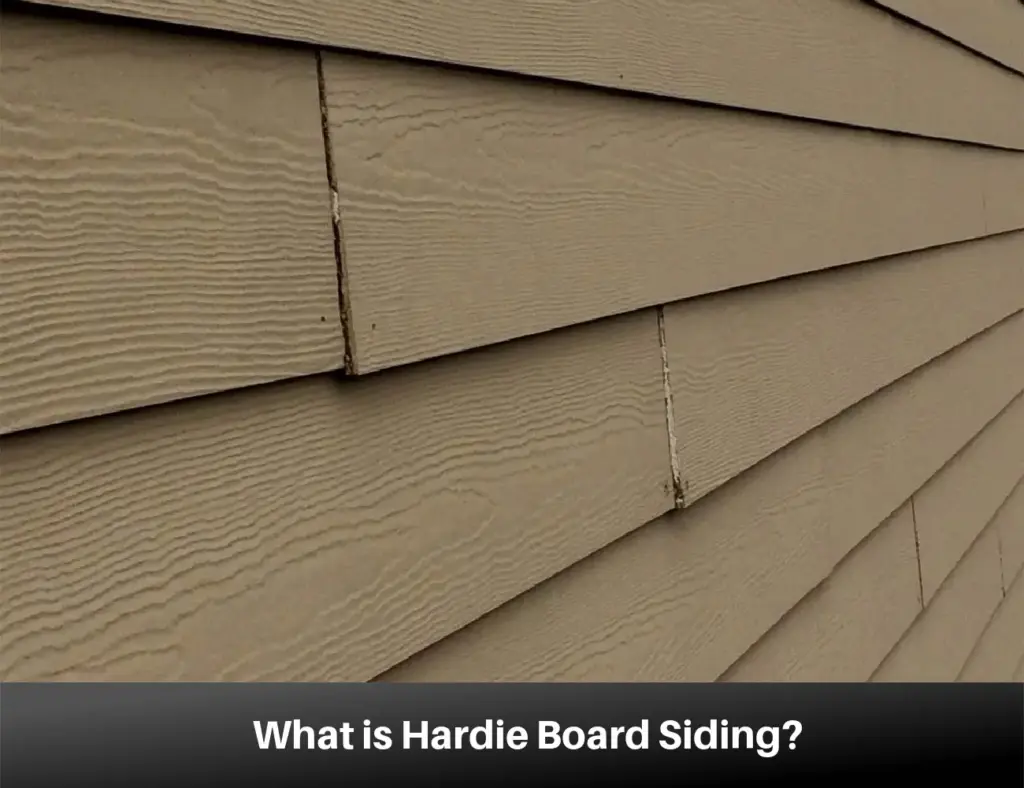
Hardie board is a type of fiber‑cement siding composed of cement, sand, and cellulose fibers that are pressed and cured under high heat. The result is a panel that mimics the look of wood, stucco, or masonry while offering superior performance. According to the James Hardie 2025 Manufacturing Report, the product’s water‑repellent core and UV‑stable coating give it a lifespan of 30‑50 years, far outlasting traditional vinyl or wood lap siding.
Key Benefits of Choosing Hardie Board
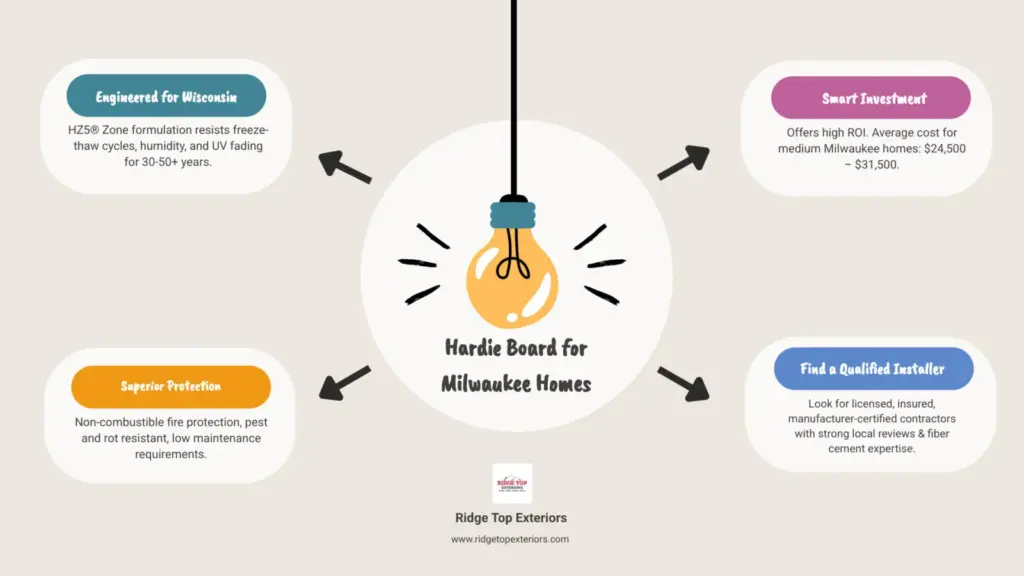
- Weather resistance: The dense matrix repels moisture, preventing swelling and warping even in humid climates.
- Fire rating: Classified as a Class A fire‑resistant material, it can slow the spread of flames—a critical factor in wildfire‑prone regions.
- Low maintenance: After the initial paint coat, homeowners typically only need a repaint every 10‑15 years, compared to yearly sealing for wood.
- Pest deterrence: The cement composition is inedible to termites and carpenter ants.
- Design versatility: Available in smooth, textured, and board‑and‑batten profiles, it suits both modern and traditional aesthetics.
Installation Process: Step‑by‑Step Guide
1. Planning and Permits
Before any cutting begins, verify local building codes—particularly wind‑zone requirements—through your municipality’s planning department. The 2026 International Residential Code (IRC) mandates a minimum 1‑inch gap between the siding and the sheathing for proper drainage.
2. Preparing the Wall
All existing sheathing must be flat, dry, and securely fastened. Install a weather‑resistive barrier (WRB) such as Tyvek or a liquid‑applied membrane; this acts as a secondary defense against water infiltration.
3. Cutting and Handling
Hardie board is heavier than vinyl, so use a circular saw with a carbide‑tipped blade and a dust mask to avoid silica exposure. Measure twice, cut once, and remember that each panel expands about 0.5% with temperature changes, so leave a 1/8‑inch gap at corners.
4. Fastening
Fasten panels with corrosion‑resistant, hot‑dipped galvanized or stainless‑steel nails spaced 12 inches apart on the studs. The James Hardie Installation Manual (2025) recommends a minimum of 16 mm penetration into the framing to prevent pull‑out during high winds.
5. Sealing Joints
Apply a high‑quality, paint‑compatible sealant to all joints and around windows, doors, and trim. This ensures a continuous moisture barrier while allowing for thermal movement.
6. Painting
Hardie board comes pre‑primed with a cementitious primer. For optimal durability, choose a 100% acrylic exterior paint with a UV‑blocking additive. The recommended paint system is a two‑coat finish: a base coat for color and a topcoat for protection.
Cost Breakdown: What to Expect in 2026
Pricing varies by region, thickness (5 mm vs. 7 mm), and finish. Based on the 2026 Home Improvement Market Survey by the National Association of Home Builders (NAHB), the average material cost ranges from $4.50 to $7.00 per square foot, while installation labor adds $2.00–$3.50 per square foot. Compared to vinyl siding ($3.00–$5.00 per sq ft installed) and traditional wood lap ($5.00–$8.00 per sq ft installed), Hardie board offers a mid‑range price with a higher long‑term ROI due to reduced repair and replacement cycles.
Hardie Board vs. Other Siding Options
When evaluating siding, three main criteria dominate homeowners’ decisions: durability, aesthetics, and cost. Below is a concise comparison:
| Material | Life Expectancy | Fire Rating | Maintenance |
|---|---|---|---|
| Hardie Board (Fiber‑Cement) | 30‑50 years | Class A | Repaint every 10‑15 years |
| Vinyl Siding | 20‑30 years | Class C | Occasional cleaning |
| Wood Lap | 15‑25 years | Class B | Annual painting or staining |
| Metal Siding | 40‑60 years | Class A | Rarely painted |
For a deeper dive into metal alternatives, see our complete guide to metal siding in 2026.
Common Installation Mistakes and How to Avoid Them
- Skipping the WRB: Without a proper barrier, water can seep behind the panels, leading to rot in the sheathing.
- Improper nail spacing: Over‑driving nails can split the board, while under‑driving reduces wind resistance.
- Ignoring thermal expansion: Failing to leave expansion gaps causes buckling in hot climates.
- Using the wrong paint: Paints not rated for cementitious surfaces may peel prematurely.
Maintenance Tips to Extend Service Life
Even the toughest siding benefits from routine care. Follow these simple steps:
- Inspect the façade twice a year for cracks or loose panels.
- Clean gently with a garden hose and a soft brush; avoid pressure washers on high settings.
- Touch up paint on any chips within 30 days to prevent moisture ingress.
- Check flashing around windows and doors after severe storms.
Real‑World Case Study: A Mid‑Century Home Renovation
In 2025, a 3,800‑sq‑ft home in Portland, Oregon, replaced aging wood siding with 7 mm Hardie board in a board‑and‑batten style. The project, overseen by a certified James Hardie installer, reduced the homeowner’s heating bill by 12% thanks to the panel’s superior insulation value (R‑2.2 per inch). Post‑installation surveys by the Oregon Home Builders Association reported a 95% satisfaction rate, citing the “clean, crisp look” and “peace of mind during the rainy season.” For more inspiration on board‑and‑batten designs, read our ultimate guide to board and batten siding.
Frequently Asked Questions
Is Hardie board suitable for coastal environments?
Yes. Its cement matrix resists salt spray, and the paint system can be formulated with marine‑grade additives to further protect against corrosion.
Can I install Hardie board over existing vinyl siding?
While technically possible, it’s not recommended because the existing vinyl may trap moisture. Removing the old siding ensures a proper WRB and extends the new system’s lifespan.
How does Hardie board perform in wildfire zones?
With a Class A fire rating, Hardie board does not ignite easily and can act as a firebreak, especially when paired with non‑combustible roofing materials.
Do I need a professional installer?
Installation requires specialized tools and safety measures (especially silica dust protection). James Hardie certifies installers; using a certified professional helps maintain warranty coverage.
What is the warranty coverage?
James Hardie offers a limited lifetime warranty against cracking and a 30‑year warranty for color fade, provided the siding is installed according to their guidelines.
Future Trends for Hardie Board in 2027 and Beyond
Industry forecasts from the 2026 Global Building Materials Outlook indicate a 7% annual growth in fiber‑cement siding adoption, driven by stricter building codes on fire safety and sustainability. Expect new texture options, such as reclaimed‑wood look finishes, and eco‑friendly manufacturing processes that reduce CO₂ emissions by up to 15% compared to 2020 levels. Homeowners who prioritize green building will find these advancements align perfectly with the rising demand for resilient, low‑impact materials.
Whether you’re renovating a historic bungalow or building a new energy‑efficient home, Hardie board offers the perfect blend of durability, aesthetic flexibility, and long‑term value. By following best‑practice installation methods and regular maintenance, you’ll enjoy a beautiful, protected exterior for decades to come.
Looking for a contractor near you? Explore our guide to finding the best siding professionals in 2026, or if you prefer vinyl, see the latest vinyl siding installers guide.
For technical specifications, visit the official James Hardie website or refer to the Fiber‑cement Wikipedia entry.