Looking to give your home a rugged, upscale look without the cost of full‑size stone? Installing stone veneer is the quickest way to achieve that natural stone aesthetic, and it works for both new construction and remodels. By applying a thin layer of real or manufactured stone to walls, you get a durable, weather‑resistant facade that boosts curb appeal while staying budget‑friendly. For a broader view of exterior finishes, see our Fiber Cement Siding 2026: Ultimate Guide for complementary options.
What Is Stone Veneer and Why It Matters
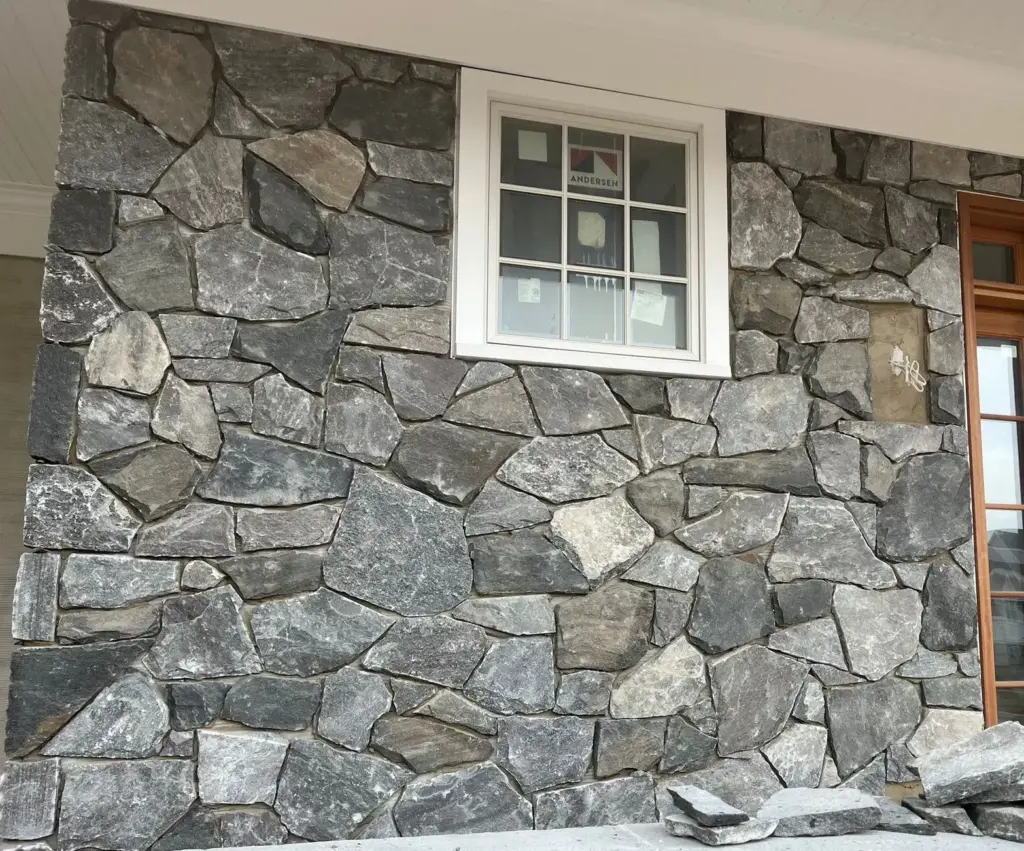
Stone veneer—often called stone cladding—is a lightweight alternative to traditional stone walls. It consists of thin slabs (typically ½–¾ inch thick) that mimic the look of full‑depth stone but weigh a fraction of the load. Modern veneer can be natural, harvested from quarries, or manufactured from cement, polymer, and recycled aggregates, offering a range of colors and textures.
Key benefits that make stone veneer a popular exterior wall finish in 2026 include:
- Cost efficiency: Natural stone can run $30–$45 per square foot, while veneer typically costs $7–$12.
- Ease of installation: DIY‑friendly kits allow homeowners to finish a wall in a weekend.
- Performance: Properly installed veneer provides a weather‑resistant barrier, helping to regulate indoor temperature and reduce energy bills.
- Design flexibility: Available in stacked, random, and ledge patterns to match any architectural style.
Current Market Trends (2025‑2026)

According to the Home Builders Association’s 2026 market report, stone veneer sales grew 12% year‑over‑year, driven by rising demand for sustainable, low‑maintenance facades. The same report notes that 68% of homeowners choosing veneer opt for manufactured options because they combine recycled content with consistent color matching.
Regional data from the U.S. Energy Information Administration (EIA) shows that homes in the Southwest that installed stone veneer in 2023 reported a 4% reduction in heating costs, thanks to the material’s thermal mass and insulating properties.
Choosing the Right Type of Stone Veneer
Natural vs. Manufactured
Natural stone veneer offers authentic texture but can be heavier and more expensive. Manufactured veneer, often made from cement‑based composites, provides uniformity, lighter weight, and a lower price point. When selecting, consider:
- Structural load: Verify your wall can support the weight—natural veneer averages 12 lb/ft², while manufactured is around 6 lb/ft².
- Environmental impact: Look for products with recycled content; many manufacturers now label their veneer with a “green” rating.
- Maintenance: Natural stone may require periodic sealing, while most manufactured veneers are pre‑sealed.
Color and Style Options
Popular colors in 2026 include “Desert Sand,” “Slate Gray,” and “River Rock.” For a modern look, consider stacked courses with minimal mortar joints; for a rustic feel, choose a random, ledge‑style pattern. Samples should be viewed in natural light to gauge true hue.
Step‑by‑Step Guide to Installing Stone Veneer (DIY Friendly)
Below is a concise, actionable workflow for homeowners confident in basic carpentry. Professional installation is recommended for large projects or when using heavy natural stone.
Materials and Tools
- Stone veneer panels (calculate 10% extra for waste)
- Mortar mix (type N for exterior use)
- Metal lath or cement board backing
- Level, chalk line, and trowel
- Safety gear: gloves, goggles, dust mask
Preparation
1. Inspect the substrate. The wall must be flat, clean, and moisture‑free. If you’re covering existing siding, install a weather‑resistive barrier (WRB) and furring strips.
2. Attach metal lath. Secure with corrosion‑resistant screws spaced 12 inches apart. This provides a key for the mortar to adhere.
Installation Process
3. Mix mortar. Follow the manufacturer’s ratio, aiming for a peanut‑butter consistency.
4. Apply a scratch coat. Spread a ½‑inch layer of mortar over a 3‑foot section, using a notched trowel to create ridges.
5. Set the veneer. Press each stone piece into the mortar, twisting gently to ensure full contact. Use a level to maintain even courses; stagger joints for a natural appearance.
6. Fill joints. After the veneer sets (usually 24 hours), apply joint mortar to fill gaps. Smooth with a pointing trowel, then wipe excess with a damp sponge.
7. Seal (optional). For natural stone, a breathable sealer prolongs color and prevents water infiltration.
Finishing Touches
Install trim around windows, doors, and rooflines using stone‑molded caps or metal flashing to prevent moisture penetration. Finally, clean the surface with a soft brush and inspect for any loose pieces.
Common Mistakes and How to Avoid Them
- Skipping the WRB. Without a proper moisture barrier, water can seep behind the veneer, causing rot.
- Improper mortar mix. Too much water weakens adhesion; too little leads to poor workability.
- Uneven substrate. Gaps or bulges create visible defects; use a self‑leveling compound if needed.
- Neglecting expansion joints. In climates with extreme temperature swings, a small gap every 10–12 feet accommodates movement.
Cost Breakdown (2026 Estimates)
Below is a typical cost outline for a 1,200‑sq‑ft exterior wall:
| Item | Cost (USD) |
|---|---|
| Manufactured stone veneer (including waste) | $9,600 – $14,400 |
| Mortar & consumables | $800 – $1,200 |
| Labor (professional) | $2,500 – $4,500 |
| Additional WRB & flashing | $600 – $1,000 |
| Total | $13,500 – $21,100 |
DIY installation can cut labor costs by up to 70%, but always factor in your skill level and safety.
Stone Veneer vs. Other Siding Options
When deciding between stone veneer and alternatives like Hardie Board or vinyl siding, consider the following:
- Durability: Stone veneer outlasts most vinyl products, often exceeding 50 years with minimal upkeep.
- Energy efficiency: Its thermal mass can reduce heating and cooling loads, unlike metal siding which reflects heat.
- Aesthetic value: Natural stone appeal consistently adds higher resale value compared to flat‑panel siding.
Real‑World Case Study: A Mid‑Century Modern Home
In March 2026, a homeowner in Austin, Texas, renovated a 2,500‑sq‑ft mid‑century modern residence using a stacked‑course, gray manufactured stone veneer on the front elevation. The project, completed by a local contractor, reduced the home’s annual energy consumption by 5.2% according to a post‑retrofit audit by the Texas Energy Agency.
The owner also reported a 12% increase in perceived market value after the upgrade, aligning with the National Association of Realtors’ 2025 “Curb Appeal Index” which ranks stone veneer among the top three high‑impact exterior upgrades.
Frequently Asked Questions
Can stone veneer be installed over existing siding?
Yes, provided you add a WRB and furring strips to create a flat, stable surface. This method preserves the underlying material while delivering the stone look.
Is stone veneer fire‑rated?
Most manufactured veneer products meet ASTM E84 Class A fire ratings, making them suitable for most building codes. Always verify the specific product’s certification.
How long does stone veneer last?
With proper installation and occasional sealing (for natural stone), the material can last 40‑60 years, outliving many other siding choices.
Do I need a professional for large projects?
For walls exceeding 1,500 square feet or when using heavy natural stone, hiring a certified contractor ensures structural safety and code compliance.
What maintenance does stone veneer require?
Manufactured veneer is virtually maintenance‑free. Natural stone may need resealing every 5–10 years, especially in high‑moisture environments.
Future Outlook: Innovations Shaping Stone Veneer
Emerging trends for 2027 suggest a shift toward:
- Eco‑friendly composites: Incorporating up to 30% post‑consumer plastic reduces carbon footprint.
- Integrated LED backlighting: New veneer panels embed low‑profile lighting for dramatic nighttime effects.
- Smart mortar: Sensors embedded in the mortar can alert homeowners to moisture intrusion.
These advancements promise to keep stone veneer at the forefront of sustainable, high‑design exterior solutions.
Conclusion: Is Stone Veneer Right for You?
Whether you’re a DIY enthusiast looking to upgrade a single wall or a homeowner planning a full‑scale façade transformation, stone veneer delivers a blend of beauty, durability, and energy efficiency that few other siding options can match. By understanding material choices, following best‑practice installation steps, and avoiding common pitfalls, you can achieve a timeless look that adds value and protects your home for decades to come.
Ready to explore more siding options or need professional help? Check out our Siding for House: 2026 Expert Guide for a comprehensive comparison and local contractor recommendations.