For homeowners in Florida, estimating roof replacement costs begins with understanding the local market drivers—material prices, labor rates, and hurricane‑related code requirements—so they can budget accurately before a storm season forces an emergency job. By breaking down per‑square‑foot pricing, regional material preferences, and the impact of licensing fees, you can create a realistic cost model that prevents surprise invoices and ensures compliance with the Florida Building Code. For a comparative perspective, see how the average roofing replacement cost for a 2,000‑sq ft house in Texas stacks up against the Sunshine State’s figures.
Why Florida Roof Replacement Costs Differ From Other States
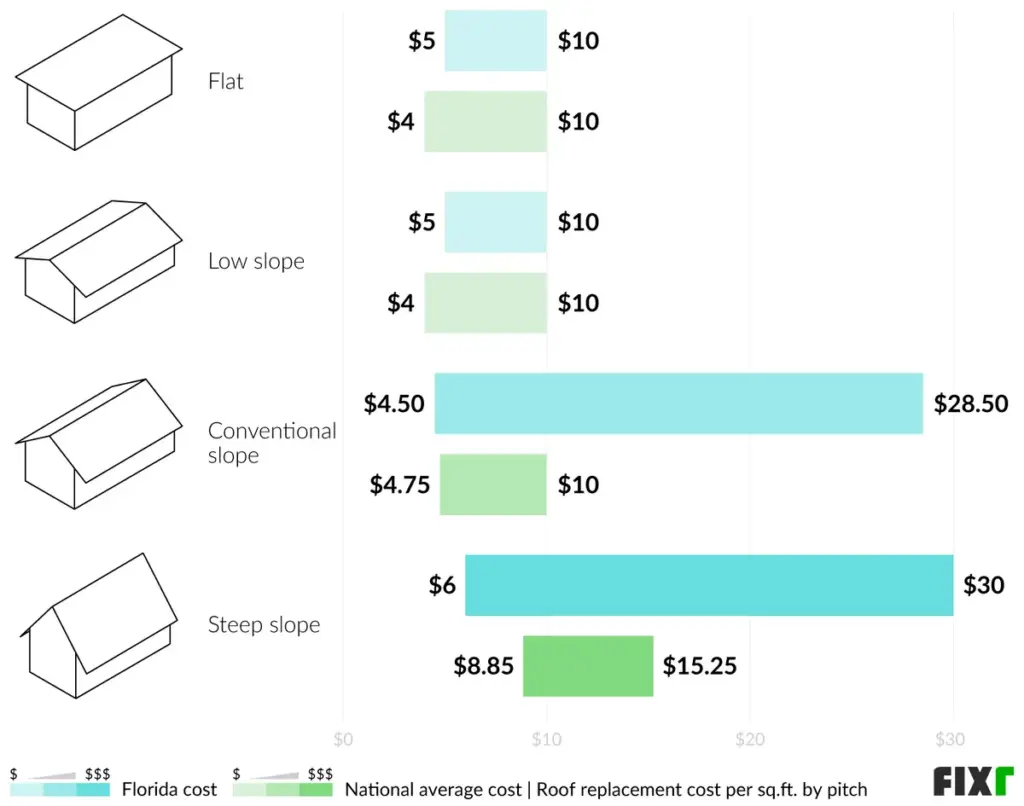
Florida’s subtropical climate subjects roofs to intense UV exposure, high humidity, and frequent wind events from tropical storms. These conditions raise both material durability expectations and labor intensity. According to the 2026 Roofing Market Survey by the Roofing Contractors Association of Florida (RCAF), the average cost per square foot for a new roof in the state is $5.80–$7.20, compared with $4.50–$5.30 in the interior Southeast. The higher range reflects the prevalence of impact‑resistant shingles, metal roofing, and specialized underlayment designed to meet Florida’s stringent wind‑uplift standards.
Key Cost Drivers
- Material Selection: Asphalt shingles remain the most common choice, but homeowners increasingly opt for Class 4 impact‑resistant options that can cost up to 30 % more. Metal roofing, prized for its longevity, can double the material expense per square foot.
- Labor Rates: Licensed roofing contractors in Florida command higher wages due to the state’s requirement for a specialized “roofing contractor” license (FL RC 01) and mandatory continuing education on hurricane‑resistant installation techniques.
- Permitting & Inspection: Municipalities often charge additional fees for permits and final inspections, especially in coastal counties where storm‑damage mitigation is scrutinized.
- Disposal & Haul‑Away: The volume of debris generated by a typical 2,000‑sq ft roof replacement in Florida averages 12 tons, with disposal fees ranging from $400 to $800 depending on county regulations.
Typical Cost Breakdown for a 2,000‑Sq Ft Home
Below is a 2026‑based estimate for a standard 2,000‑sq ft single‑family residence located in central Florida. Prices reflect mid‑range material choices and reputable, fully licensed contractors.
Table of Contents
- Why Florida Roof Replacement Costs Differ From Other States
- Key Cost Drivers
- Typical Cost Breakdown for a 2,000‑Sq Ft Home
- Regional Variations Within Florida
- Actionable Steps to Get an Accurate Estimate
- 1. Conduct a Pre‑Inspection
- 2. Request Multiple Bids
- 3. Verify Material Certifications
- 4. Factor in Warranty and Maintenance
- 5. Plan for Seasonal Timing
- Common Mistakes Homeowners Make
- Case Study: A Central Florida Homeowner’s Experience
- Frequently Asked Questions
- What is the average cost per square foot for roof replacement in Florida?
- Do I need a permit for a roof replacement?
- How long does a typical roof replacement take?
- Can I finance a roof replacement?
- What warranties should I look for?
- Bottom Line: Building a Reliable Cost Estimate
| Item | Cost Range (USD) |
|---|---|
| Asphalt shingles (standard) | $11,600 – $14,400 |
| Impact‑resistant shingles | $14,500 – $18,000 |
| Metal roofing (steel) | $22,000 – $27,500 |
| Labor (including removal) | $5,500 – $7,200 |
| Permits & inspections | $400 – $800 |
| Disposal & haul‑away | $400 – $800 |
| Total (average) | $22,300 – $31,000 |
The total can swing dramatically based on roof pitch, accessibility, and whether a roof deck repair is needed. For example, a steep‑pitch roof in a historic district may add $2,000–$3,500 for scaffold rental and specialized flashing.
Regional Variations Within Florida
Florida is not monolithic; costs differ between the Panhandle, Central, and South zones:
- North Florida (e.g., Tallahassee, Jacksonville): Slightly lower labor rates, but still subject to wind‑uplift codes; average total $21,500–$28,000.
- Central Florida (Orlando, Tampa): High demand for impact‑resistant materials pushes the average to $23,500–$30,500.
- South Florida (Miami‑Dade, Broward): The most stringent hurricane standards and higher living costs result in $25,000–$33,000 for comparable projects.
Actionable Steps to Get an Accurate Estimate
1. Conduct a Pre‑Inspection
Hire a certified roofing inspector to assess deck condition, identify hidden rot, and verify that existing flashing meets current codes. A thorough inspection can prevent costly “scope creep” after the contract is signed.
2. Request Multiple Bids
Solicit at least three written proposals from licensed contractors who carry both general liability and workers’ compensation insurance. Compare line items rather than just the final price; look for transparent labor, material, and contingency costs.
3. Verify Material Certifications
Ask for product data sheets that show compliance with the National Roofing Contractors Association impact‑resistance rating (Class 4) and the Florida Building Code’s wind‑load criteria (e.g., ASCE 7‑16). This ensures the installed system will qualify for insurance discounts.
4. Factor in Warranty and Maintenance
Most reputable contractors offer a 10‑year workmanship warranty plus the manufacturer’s material warranty. While these may increase upfront cost, they reduce long‑term risk and can improve resale value.
5. Plan for Seasonal Timing
Roofing demand peaks between June and September, coinciding with the hurricane season. Scheduling the job during the off‑peak months (October–April) can shave 5‑10 % off labor rates.
Common Mistakes Homeowners Make
- Choosing the Cheapest Shingles: Low‑cost asphalt may fail under UV stress, leading to premature replacement and higher lifetime costs.
- Skipping Permits: Unpermitted work can void insurance claims after storm damage and result in costly fines.
- Ignoring Roof Deck Repairs: A seemingly sound roof can conceal water‑damaged decking, which, if left untreated, undermines the new roof’s performance.
- Not Verifying Contractor Licenses: Unlicensed contractors may cut corners, jeopardizing compliance with Florida’s strict hurricane‑resistance standards.
Case Study: A Central Florida Homeowner’s Experience
Maria Gonzalez, residing in Orlando, replaced her 2,200‑sq ft home’s roof in March 2026 after noticing granule loss and minor leaks. She followed the five‑step process outlined above, ultimately selecting a local contractor who quoted $26,800 for impact‑resistant shingles, labor, and a full deck repair. By comparing three bids and insisting on a detailed material certification, she secured a 15 % discount on the material markup and a 5‑year extended workmanship warranty. Six months later, a Category 2 hurricane passed over her neighborhood; her roof passed the post‑storm inspection with no damage, saving her an estimated $4,500 in potential repair costs.
Frequently Asked Questions
What is the average cost per square foot for roof replacement in Florida?
In 2026, the average ranges from $5.80 for basic asphalt shingles to $7.20 for impact‑resistant options, according to the Roofing Contractors Association of Florida.
Do I need a permit for a roof replacement?
Yes. Florida law requires a building permit for any roof work that alters the structural system or replaces more than 50 % of the roofing material. Failure to obtain a permit can lead to insurance claim denials.
How long does a typical roof replacement take?
For a 2,000‑sq ft roof, most contractors complete removal and installation within 5–7 business days, assuming normal weather conditions and no unexpected deck repairs.
Can I finance a roof replacement?
Many Florida contractors partner with third‑party lenders offering low‑interest home‑equity loans or 0‑% promotional financing for up to 24 months. Always read the fine print and ensure the lender is reputable.
What warranties should I look for?
A comprehensive package includes a manufacturer’s material warranty (typically 20–30 years) and a contractor’s workmanship warranty (10–15 years). Verify that both are transferable to future owners.
Bottom Line: Building a Reliable Cost Estimate
Accurately projecting roof replacement costs in Florida hinges on three pillars: understanding regional material premiums, accounting for licensing and permitting expenses, and selecting a contractor with proven hurricane‑resistance expertise. By following the structured approach detailed above, homeowners can avoid budget overruns, maintain compliance, and protect their investment against the state’s relentless weather challenges. For a broader perspective, compare your Florida estimate with the average roofing replacement cost for a 2,000‑sq ft house in Texas, which illustrates how climate and code differences shape pricing across the Sun Belt.
