To obtain a free roof replacement through homeowners insurance, you must prove that the damage meets the policy’s coverage criteria and navigate the claim process with precision. The most reliable route is to document the loss, understand your policy’s “full replacement cost” clause, and work closely with both the insurance adjuster and reputable contractors. By following a systematic approach, many homeowners turn a potentially costly repair into a fully funded replacement.
Understanding When Insurance Will Cover a Full Roof Replacement
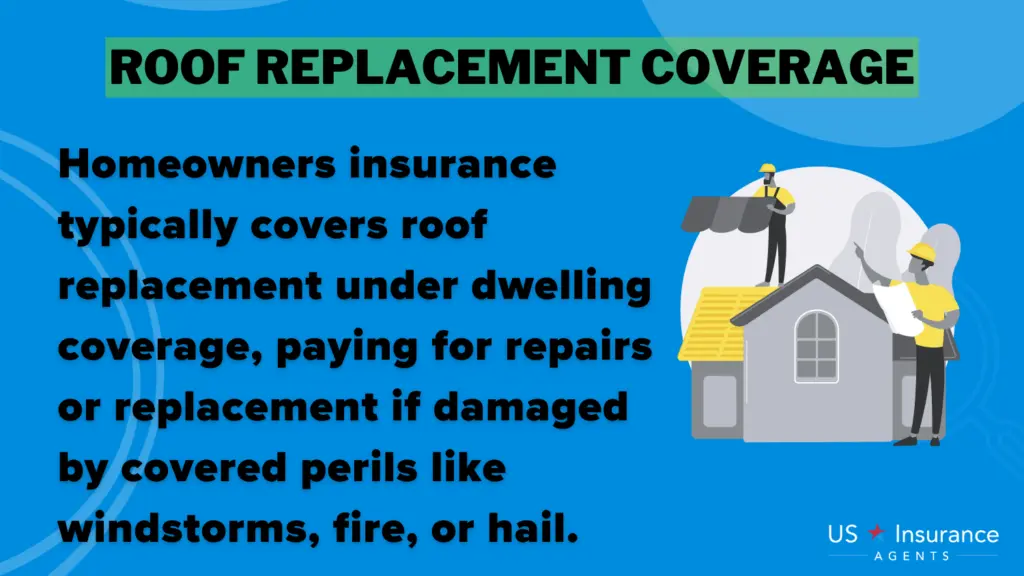
Homeowners insurance typically distinguishes between two valuation methods: Actual Cash Value (ACV) and Replacement Cost Value (RCV). ACV accounts for depreciation, while RCV reimburses the cost of rebuilding or replacing the roof with comparable materials, minus any deductible. Most modern policies include a “full replacement cost” endorsement, but it is not automatic. Knowing whether your policy offers RCV is the first step toward a cost‑free replacement.
Policy Limits and “Full Replacement Cost” vs. “Actual Cash Value”
- Coverage limit: This is the maximum amount the insurer will pay. Verify that the limit exceeds the average cost for a roof similar to yours – for instance, the average roof replacement cost for a two‑story house in America in 2026 often ranges between $15,000 and $30,000 depending on material and region.
- Deductible: The amount you must pay out‑of‑pocket before the insurer covers the rest. A higher deductible can reduce your premium but may affect the net amount you receive.
- Endorsements: Look for “Extended Replacement Cost” or “Inflation Guard” clauses that increase the payout ceiling by a set percentage (commonly 10‑20%).
If your policy lists a “replacement cost” limit that aligns with the current market rates, you are positioned to claim a full replacement without paying out of pocket.
Table of Contents
- Understanding When Insurance Will Cover a Full Roof Replacement
- Policy Limits and “Full Replacement Cost” vs. “Actual Cash Value”
- Step‑by‑Step Guide to Securing a Free Roof Replacement
- 1. Review Your Policy Language
- 2. Document the Damage Promptly
- 3. Contact Your Insurer and Initiate the Claim
- 4. Prepare for the Adjuster’s Inspection
- 5. Obtain Competitive Contractor Estimates
- 6. Negotiate and Secure the Settlement
- Common Pitfalls and How to Avoid Them
- Real‑World Case Study: A Midwest Homeowner’s Success
- FAQ – Frequently Asked Questions
- Can I get a roof replacement if the damage is minor?
- What if my policy only offers Actual Cash Value?
- Do I have to use a contractor recommended by the insurer?
- How does a “roof repair deductible” affect my claim?
- Is there a time limit for completing the replacement?
- Financing Options When Insurance Falls Short
- Conclusion
Step‑by‑Step Guide to Securing a Free Roof Replacement
1. Review Your Policy Language
Begin by locating the sections titled “Dwelling Coverage,” “Roof Replacement,” and “Exclusions.” Pay particular attention to any language that references “storm damage roof coverage” or “perils covered.” If the document is dense, consider a brief consultation with a licensed insurance agent to clarify ambiguous terms.
2. Document the Damage Promptly
Time is critical. Within 24–48 hours of noticing the damage, take high‑resolution photographs from multiple angles, capture close‑ups of compromised shingles, and record any interior water intrusion. Create a written inventory that notes:
- Date and cause of damage (e.g., hailstorm on 03/12/2026)
- Specific roof sections affected
- Visible signs of structural compromise (e.g., sagging deck, exposed rafters)
This evidence will be essential during the insurance adjuster inspection and when negotiating the settlement.
3. Contact Your Insurer and Initiate the Claim
Call the claims department as soon as you have the documentation. Provide the claim number, a concise description of the incident, and attach the photos and inventory. Many insurers now allow you to upload files through an online portal, expediting the “homeowners insurance claim process.” Request a written acknowledgment of your claim and note the assigned adjuster’s name and contact information.
4. Prepare for the Adjuster’s Inspection
The adjuster will assess the roof’s condition, often climbing onto the property. To ensure a thorough evaluation:
- Provide the adjuster with your photo log and damage inventory.
- Ask specific questions about “replacement cost” versus “actual cash value” coverage.
- Request a copy of the adjuster’s report before it is filed with the insurer.
If the adjuster’s findings appear insufficient, you have the right to obtain an independent roofing contractor’s estimate for a second opinion.
5. Obtain Competitive Contractor Estimates
Secure at least three written quotes from licensed roofing contractors. Each estimate should detail:
- Material type (asphalt shingles, metal, etc.)
- Labor costs and projected timeline
- Warranty terms
- Any additional work required (e.g., flashing replacement, ventilation upgrades)
These documents not only help you compare prices but also serve as leverage when negotiating with the insurer. For a deeper dive into material cost differentials, see the metal roof replacement cost compared to asphalt shingles guide.
6. Negotiate and Secure the Settlement
Once the insurer issues a settlement offer, compare it against your contractor estimates. If the payout falls short of the total replacement cost, you can:
- Submit the contractor bids as evidence of higher costs.
- Invoke any “inflation guard” or “extended replacement cost” endorsements.
- Request a re‑evaluation by the adjuster, citing overlooked damage.
When the insurer agrees to cover the full amount (minus deductible), you can proceed with the chosen contractor. The insurer typically pays the contractor directly, ensuring a “free” replacement from your perspective.
Common Pitfalls and How to Avoid Them
- Missing the claim filing deadline: Most policies require notification within 30 days of damage. Late filing can lead to denial.
- Accepting the initial adjuster estimate without question: Adjusters may underestimate repair costs to protect the insurer’s bottom line.
- Overlooking deductible impact: If the deductible is close to the repair cost, the net benefit may be minimal. In such cases, explore “deductible waivers” offered by some contractors.
- Failing to keep receipts for temporary repairs: Even short‑term tarps or board-ups are reimbursable if documented.
- Choosing an unlicensed contractor: This can void your coverage and expose you to liability. Verify licenses through state roofing boards.
Real‑World Case Study: A Midwest Homeowner’s Success
John M., a 45‑year‑old engineer from Ohio, experienced extensive hail damage in May 2026. His policy included an “Extended Replacement Cost” endorsement. Following the steps above, John documented the damage within 24 hours, filed a claim, and secured three contractor bids averaging $22,400. The initial insurer offer was $18,500, based on ACV. By presenting the detailed estimates and citing his endorsement, John negotiated an increase to $22,200, covering the full replacement minus his $1,500 deductible.
John’s experience underscores the importance of thorough documentation, multiple estimates, and awareness of policy endorsements. For more insights on claim‑specific costs, refer to the roof replacement cost for insurance claims after storm damage guide.
FAQ – Frequently Asked Questions
Can I get a roof replacement if the damage is minor?
Minor damage (e.g., a few cracked shingles) typically falls under “repair” rather than “replacement.” Insurers may only cover repairs up to the deductible. However, if the cumulative damage compromises structural integrity, you can argue for a full replacement.
What if my policy only offers Actual Cash Value?
With ACV coverage, the insurer subtracts depreciation, resulting in a lower payout. You can negotiate for a “RCV upgrade” by paying the depreciation amount out of pocket, effectively achieving a full replacement.
Do I have to use a contractor recommended by the insurer?
No. You are free to select any licensed contractor. Many insurers will pay the contractor directly as long as the invoice matches the approved settlement amount.
How does a “roof repair deductible” affect my claim?
The deductible applies to the total claim, not each repair item. If your deductible is $2,000 and the repair estimate is $3,500, you will receive $1,500 from the insurer.
Is there a time limit for completing the replacement?
Most policies require the work to be completed within 60–90 days of claim approval. Extensions can be requested in writing if delays are due to weather or contractor availability.
Financing Options When Insurance Falls Short
Even with a successful claim, you might face a shortfall due to high material costs or a higher deductible. In such cases, explore financing solutions that preserve cash flow. The best roofing replacement financing options for homeowners guide outlines low‑interest home equity lines of credit (HELOCs), 0% APR credit cards, and specialized roofing loans that can bridge the gap without compromising your credit standing.
Conclusion
Securing a free roof replacement through homeowners insurance hinges on three pillars: a clear understanding of your policy’s replacement cost language, meticulous documentation, and strategic negotiation backed by competitive contractor estimates. By adhering to the step‑by‑step process outlined above, professionals can transform a potentially burdensome repair into a fully covered restoration, preserving both property value and financial stability.
Stay proactive—regularly review your policy, maintain detailed records of your roof’s condition, and engage qualified contractors. When the unexpected happens, you’ll be prepared to navigate the claim process efficiently and secure the coverage you deserve.
