Homeowners across the United States who own a two‑story residence often wonder how much a full roof replacement will actually cost, because the answer determines budgeting, financing, and timing for one of the most critical home improvement projects. In 2026 the average expense ranges widely—from $15,000 for basic asphalt shingles to more than $45,000 for premium metal or slate systems—depending on square footage, material choice, regional labor rates, and the complexity of the roof’s pitch.
Why a Two‑Story Roof Costs More Than a Single‑Story
A two‑story house typically presents a larger total roof area, steeper slopes, and more intricate framing. According to the 2026 Roofing Industry Survey conducted by the National Roofing Contractors Association (NRCA), the average increase in labor hours for a two‑story structure is 30 % compared with a single‑story home of comparable footprint. This translates into higher roofing contractor rates and additional safety equipment costs, such as harnesses and scaffolding.
Breakdown of the 2026 Cost Components

Understanding the line items on a roofing estimate helps you evaluate bids more objectively. Below is a typical cost structure for a 2,500‑sq ft roof on a two‑story house in the United States.
Table of Contents
- Why a Two‑Story Roof Costs More Than a Single‑Story
- Breakdown of the 2026 Cost Components
- Regional Labor Variations
- Material Choices and Their Impact on Budget
- Real‑World Case Study: Suburban Texas Home
- Financing Options for a Two‑Story Roof Replacement
- Choosing the Best Option
- Common Mistakes That Inflate Roof Replacement Costs
- Step‑by‑Step Guide to Accurate Budgeting
- 1. Measure the Roof Surface Area
- 2. Select Material and Get Manufacturer’s Price Sheet
- 3. Request Detailed Contractor Bids
- 4. Factor in Regional Adjustments
- 5. Add Contingency and Financing Costs
- Frequently Asked Questions
- What is the average roof replacement cost for a two‑story house in America?
- How does the cost differ between asphalt shingles and metal roofing?
- Can I claim roof replacement on my homeowner’s insurance?
- Do I need a permit for a roof replacement?
- What financing options have the lowest interest rates?
- Conclusion: Planning for a Predictable Investment
- Materials (45‑60 % of total): Asphalt shingles remain the most affordable option at $80‑$120 per square (100 sq ft). Metal panels range from $150‑$250 per square, while high‑end slate can exceed $400 per square.
- Labor (30‑40 % of total): NRCA reports an average national labor rate of $70‑$95 per hour in 2026. Steeper roofs demand more crew members and longer installation times.
- Removal & Disposal (5‑10 % of total): Old roofing material must be stripped and hauled away, typically costing $1‑$2 per sq ft.
- Permits & Inspection (1‑3 % of total): Most municipalities require a building permit; fees vary from $150 in rural counties to $600 in high‑density urban areas.
- Additional Features (5‑15 % of total): Flashing upgrades, ridge vents, and ice‑dam protection add both durability and expense.
Regional Labor Variations
Labor costs differ dramatically by state. A report from the U.S. Bureau of Labor Statistics (2025) shows that roofing labor wages in the Pacific Northwest average $88 per hour, while the Gulf Coast region averages $73 per hour. Consequently, a two‑story home in Seattle may see a total roof replacement cost 12 % higher than an identical project in Houston.
Material Choices and Their Impact on Budget
Choosing the right roofing material is a balancing act between upfront cost, lifespan, and energy efficiency. Below is a quick comparison based on 2026 data:
| Material | Average Cost per Sq Ft | Life Expectancy | Energy Benefits |
|---|---|---|---|
| Architectural Asphalt Shingles | $4‑$6 | 25‑30 years | Basic reflectivity |
| Standing‑ seam Metal | $8‑$12 | 40‑70 years | High solar reflectance, qualifies for federal tax credit |
| Clay/Concrete Tile | $9‑$13 | 50‑100 years | Thermal mass reduces cooling loads |
| Slate | $12‑$18 | 80‑150 years | Excellent durability, premium aesthetic |
If you are interested in a side‑by‑side cost analysis of metal roofs versus asphalt shingles, our Metal Roof Replacement Cost Compared to Asphalt Shingles – 2026 Cost Analysis & Savings Guide provides a deeper dive into long‑term ROI.
Real‑World Case Study: Suburban Texas Home
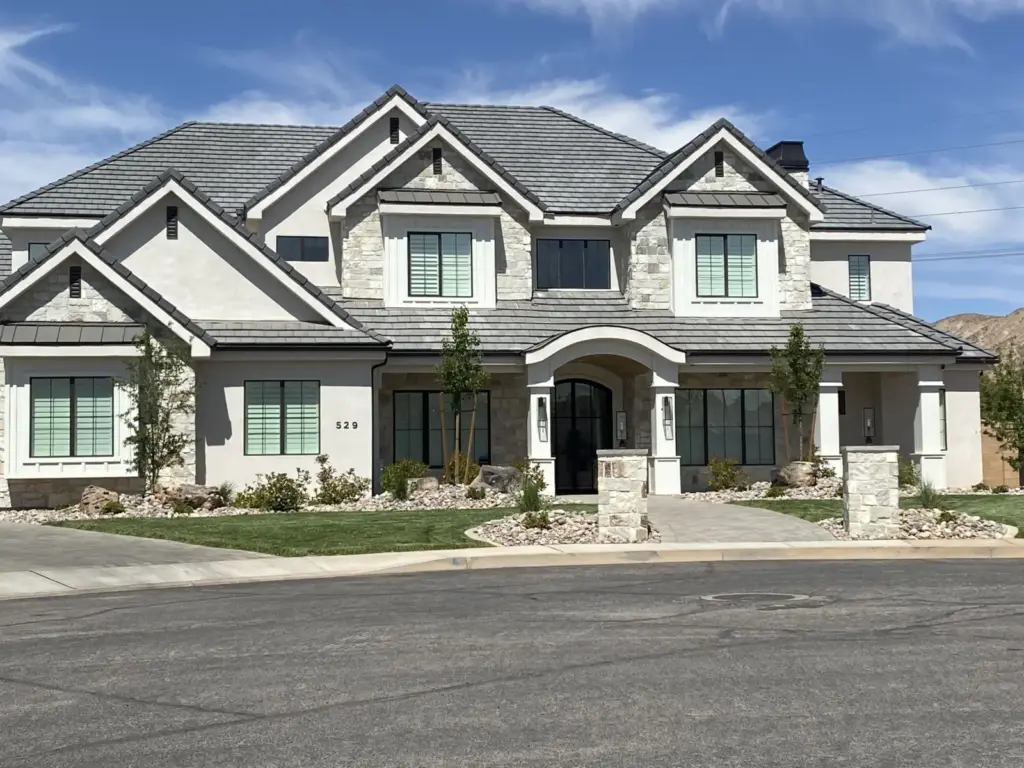
John and Maria Martinez own a 2,500‑sq ft, two‑story home in Austin, Texas. Their original 1998 asphalt shingle roof began leaking after a severe hailstorm. Using the Roof Replacement Cost Calculator by Zip Code (2026), they estimated a total of $23,400 for a full replacement with architectural shingles, including a 10 % contingency for unforeseen repairs. After obtaining three bids, the final contract settled at $22,950, reflecting a 2 % discount for early winter scheduling—a period when roofing crews experience lower demand.
Financing Options for a Two‑Story Roof Replacement
Because a roof replacement is a capital‑intensive project, many homeowners turn to financing solutions. The most common avenues in 2026 include:
- Home Equity Line of Credit (HELOC): Offers variable rates, often lower than credit cards, but requires sufficient equity.
- Rooftop Solar Incentives: Installing solar panels on a new metal roof can qualify for a 30 % federal Investment Tax Credit (ITC), effectively reducing the net cost.
- Specialty Roofing Loans: Lenders such as Roof Financing Corp. provide 0 % interest for 12‑month promotional periods, subject to credit approval.
- Insurance Claims: If damage is storm‑related, the Roof Replacement Cost for Insurance Claims After Storm Damage – Expert Guide 2026 outlines how to maximize settlement amounts.
Choosing the Best Option
Financial advisors recommend calculating the total cost of ownership (TCO) over a 20‑year horizon. For example, a metal roof costing $38,000 up front may save $1,200 per year in energy bills, resulting in a net present value (NPV) advantage of $9,800 when discounted at 4 %.
Common Mistakes That Inflate Roof Replacement Costs
Even experienced homeowners can fall prey to budgeting pitfalls. Below are the five most frequent errors and how to avoid them:
- Skipping the Third‑Party Inspection: An independent roof inspector can uncover hidden rot or structural issues that a contractor might overlook, preventing costly re‑work later.
- Choosing the Cheapest Material Without Lifecycle Analysis: Low‑priced shingles may need replacement after 15 years, whereas a higher‑priced metal system could last twice as long.
- Underestimating Disposal Fees: In some jurisdictions, landfill taxes add $0.30 per pound of roofing debris.
- Neglecting Weather‑Related Delays: A rain‑delay can extend a project by 2‑3 weeks, increasing labor overhead.
- Failing to Obtain Multiple Bids: Competitive quoting typically reduces total cost by 5‑12 %.
Step‑by‑Step Guide to Accurate Budgeting
Follow this actionable roadmap to arrive at a realistic estimate for your two‑story house:
1. Measure the Roof Surface Area
Use an online calculator or hire a surveyor to determine the total “square” (100 sq ft units). Remember to add 10 % for waste.
2. Select Material and Get Manufacturer’s Price Sheet
Request a per‑square price from at least two suppliers. Verify that the product meets local building code requirements.
3. Request Detailed Contractor Bids
Each bid should itemize removal, disposal, underlayment, flashing, ventilation, labor, permits, and warranty. Compare line‑by‑line rather than just the total.
4. Factor in Regional Adjustments
Apply the NRCA’s regional labor multiplier (e.g., 1.12 for the Pacific Northwest) to the labor portion of the estimate.
5. Add Contingency and Financing Costs
Allocate a 5‑10 % contingency for unexpected issues and calculate interest if using a loan.
Frequently Asked Questions
What is the average roof replacement cost for a two‑story house in America?
In 2026, the national average sits between $18,000 and $32,000, with regional variations ranging from $14,000 in the Midwest to $45,000 in high‑cost coastal markets.
How does the cost differ between asphalt shingles and metal roofing?
Metal roofing typically costs 2‑3 times more per square foot than asphalt shingles, but its longer lifespan and energy savings can offset the higher upfront price over 20‑30 years.
Can I claim roof replacement on my homeowner’s insurance?
Yes, if the damage is caused by a covered peril such as hail, wind, or fire. Review your policy’s “dwelling coverage” limits and work with a public adjuster to ensure a fair settlement.
Do I need a permit for a roof replacement?
Almost all municipalities require a building permit for a full roof replacement. The permit process also ensures compliance with fire codes and wind‑load standards.
What financing options have the lowest interest rates?
HELOCs generally offer the most competitive rates, especially for homeowners with a loan‑to‑value ratio below 80 %.
Conclusion: Planning for a Predictable Investment
Replacing the roof on a two‑story house in America is a significant but manageable financial undertaking when you approach it with data, realistic expectations, and a clear financing plan. By evaluating material lifespans, regional labor trends, and potential insurance reimbursements, you can narrow the cost range from a vague estimate to a precise figure that aligns with your home‑renovation budget.
For additional guidance on locating reputable contractors, consult our Affordable Roof Replacement Companies Near Me in the United States – Expert Guide 2026. Armed with the right knowledge, you’ll secure a durable roof that protects your investment for decades to come.
