Homeowners and property managers looking to replace a roof need a clear picture of the labor component, because material costs are only part of the equation; the average labor cost for roof replacement in the United States can swing the total budget by tens of thousands of dollars. In 2026 the national average labor expense sits between $2,500 and $5,000 for a typical single‑family home, but it varies dramatically by region, roof type, and the complexity of the job. Understanding the drivers behind these numbers helps you negotiate a fair price, avoid hidden fees, and plan financing with confidence. For a holistic view of overall roof budgeting, see our Roof Replacement Cost for a Two‑Story House in America 2026 guide.
What Shapes Roof‑Replacement Labor Costs?
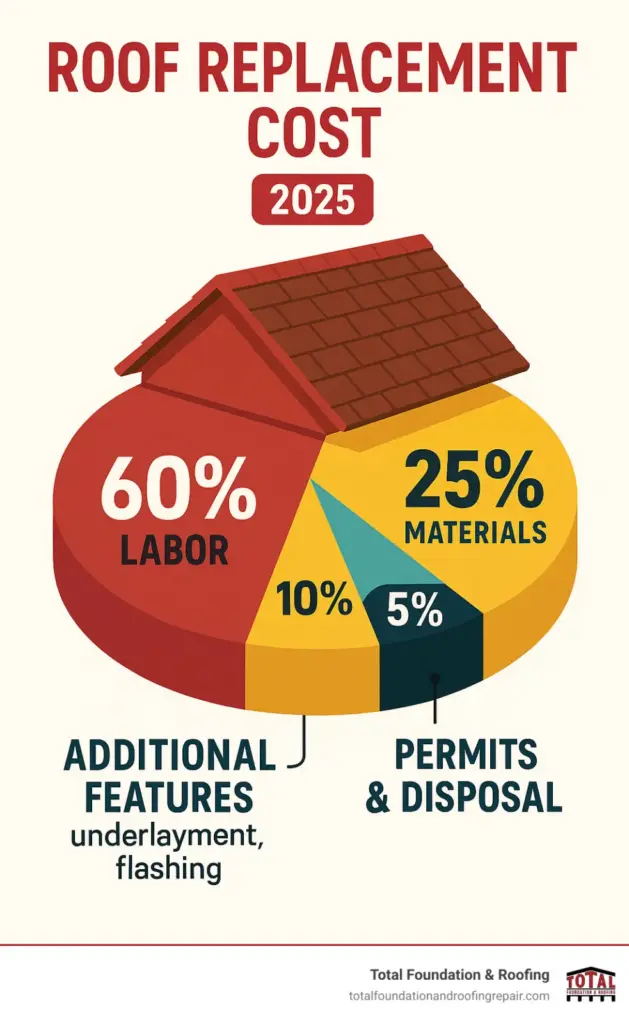
Labor is more than just the carpenter’s wage. It includes the entire crew’s time, equipment usage, permits, and overhead that a roofing contractor must cover. The following factors are the primary cost drivers:
- Roof pitch and layout: Steeper slopes require additional safety gear and slower work rates, raising the hourly rate.
- Material handling: Heavy or oversized materials (e.g., metal panels) increase the number of trips and the need for hoisting equipment.
- Removal of old roofing: Tearing off existing shingles, disposing of debris, and addressing hidden damage adds labor hours.
- Regional wage standards: Labor rates in metropolitan areas such as New York or San Francisco are higher than in the Midwest due to cost‑of‑living differences.
- Project size: Larger roofs benefit from economies of scale, while small or irregular‑shaped roofs often incur a higher per‑square‑foot labor cost.
National Average Labor Rates in 2026
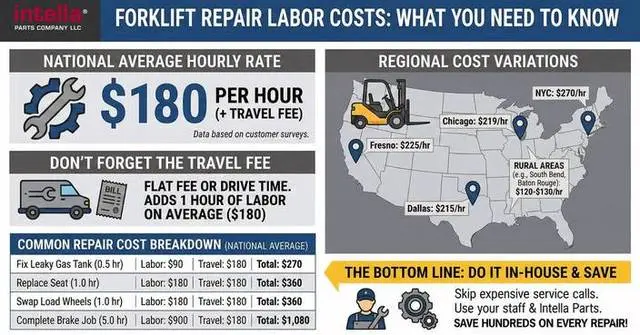
According to the 2026 Roofing Labor Survey published by the National Roofing Contractors Association (NRCA), the median hourly wage for a roofing installer is $28.50, while a crew foreman averages $41.20 per hour. When these wages are combined with typical crew sizes (4‑6 workers for residential jobs) and average job duration, the average labor cost for roof replacement settles into the following ranges:
Table of Contents
- What Shapes Roof‑Replacement Labor Costs?
- National Average Labor Rates in 2026
- Regional Variations
- How Roof Type Influences Labor Expenses
- Asphalt Shingles – The Baseline
- Metal Roofing – Higher Skill, Higher Pay
- Tile and Slate – The Premium End
- Practical Ways to Reduce Labor Costs Without Compromising Quality
- Common Mistakes When Estimating Labor
- FAQ – Quick Answers to the Most Pressed Questions
- What is the typical hourly rate for a roofing crew in 2026?
- Does the labor cost include disposal of old roofing material?
- Can I finance the labor portion separately from materials?
- How do labor costs compare between a single‑story and a two‑story house?
- Are there any tax incentives that offset labor expenses?
- Conclusion – Turning Labor Data Into a Strategic Advantage
| Roof Size (sq ft) | Average Labor Cost | Typical Installation Time |
|---|---|---|
| 1,500 – 2,000 | $2,500 – $3,500 | 2 – 3 days |
| 2,001 – 2,500 | $3,600 – $4,800 | 3 – 4 days |
| 2,501 – 3,000+ | $5,000 – $6,500 | 4 – 5 days |
These figures reflect the installation cost per square foot for labor alone, not including the price of shingles, underlayment, flashing, or disposal fees.
Regional Variations
Labor costs are not uniform across the country. Data from the U.S. Bureau of Labor Statistics (BLS) shows that the mean hourly wage for construction laborers in the Northeast is roughly 18% higher than the national average, while the Midwest lags by about 7%. Below is a quick snapshot of 2026 regional labor averages:
- West Coast (CA, WA, OR): $30‑$35 per hour for installers; $45‑$55 for foremen.
- Mid‑Atlantic (NY, NJ, PA): $29‑$34 per hour; foremen $43‑$48.
- Midwest (IL, OH, MI): $25‑$28 per hour; foremen $38‑$42.
- South (TX, FL, GA): $26‑$30 per hour; foremen $40‑$45.
These differences mean that a homeowner in San Diego may pay $1,200–$1,800 more in labor than a counterpart in Indianapolis for an identical roof size and material.
How Roof Type Influences Labor Expenses
Not all roofs are created equal. The material you choose dictates the complexity of the installation and, consequently, the labor component of the total cost.
Asphalt Shingles – The Baseline
As the most common residential roofing material, asphalt shingles have the lowest labor cost per square foot. The average labor charge for a standard 3‑tab shingle roof is $1.25‑$1.75 per square foot, according to our Average Asphalt Shingle Roof Replacement Cost in USA 2026 analysis.
Metal Roofing – Higher Skill, Higher Pay
Metal panels require specialized fasteners, precise alignment, and often the use of a crane for large sheets. The NRCA reports an average labor cost of $2.20‑$2.80 per square foot for metal roofs, which translates to a 45%–70% premium over asphalt shingles.
Tile and Slate – The Premium End
Tile and slate are heavy, brittle, and demand meticulous handling. Labor rates climb to $2.50‑$3.30 per square foot, and additional safety equipment (e.g., harnesses, scaffolding) adds $800–$1,200 to the overall labor bill.
Practical Ways to Reduce Labor Costs Without Compromising Quality
While labor is a sizable portion of the budget, savvy homeowners can employ several strategies to keep expenses in check:
- Schedule During Off‑Season: Roofing contractors typically experience a slowdown in late fall and early winter (except in warm climates). Negotiating during these periods can shave 10‑15% off labor rates.
- Bundle Services: Combine roof removal with gutter replacement or siding repair. Contractors often discount labor when multiple tasks are performed in a single crew dispatch.
- Obtain Multiple Bids: The Federal Trade Commission recommends at least three detailed estimates to identify outliers and encourage competitive pricing.
- Choose Simpler Designs: If possible, avoid complex roof geometries (e.g., multiple dormers or intersecting gables) that increase crew hours.
- Prep the Site Yourself: Clearing debris, trimming overhanging trees, and providing easy access can reduce the contractor’s mobilization time.
Common Mistakes When Estimating Labor
Even professionals sometimes misjudge the labor component. Recognizing these pitfalls prevents surprise invoices.
- Ignoring Removal Costs: Some contractors quote a “labor only” figure that excludes tear‑off fees, which can add $1,200–$2,500 for a 2,000‑sq‑ft roof.
- Assuming Uniform Rates: Applying a national average to a local project overlooks regional wage differences and local permit fees.
- Overlooking Hidden Complexity: Roofs with skylights, solar panels, or extensive flashing require additional time and specialized labor.
- Failing to Verify Insurance Coverage: In many cases, homeowner’s insurance will cover the labor portion after storm damage, but only if the claim is properly documented. Read our guide on Roof Replacement Cost for Insurance Claims After Storm Damage – Expert Guide 2026 for details.
FAQ – Quick Answers to the Most Pressed Questions
What is the typical hourly rate for a roofing crew in 2026?
Nationally, installers earn $28‑$32 per hour while foremen command $40‑$48 per hour. Regional adjustments can add or subtract up to $5 per hour.
Does the labor cost include disposal of old roofing material?
Most reputable contractors bundle disposal into the labor estimate, but always verify that the quote explicitly states “debris removal” or “dump fees.”
Can I finance the labor portion separately from materials?
Yes. Many lenders and roofing financing companies allow you to split the loan into material and labor components. For a comprehensive overview, see our Best Roofing Replacement Financing Options for Homeowners – Expert Guide 2026.
How do labor costs compare between a single‑story and a two‑story house?
A two‑story home typically adds 15%‑20% more labor due to the need for additional safety equipment and longer ladder/scaffolding usage. Our Roof Replacement Cost for a Two‑Story House in America 2026 article breaks down the exact figures.
Are there any tax incentives that offset labor expenses?
Several states offer energy‑efficiency rebates for installing cool‑roof or solar‑compatible roofing systems. While these incentives usually target material costs, the reduced overall project budget can indirectly lower the financed labor amount.
Conclusion – Turning Labor Data Into a Strategic Advantage
Grasping the average labor cost for roof replacement in the United States equips you to benchmark contractor proposals, plan realistic budgets, and leverage financing or insurance options effectively. By considering regional wage trends, roof‑type complexities, and proactive cost‑saving tactics, you can avoid the common pitfalls that inflate the bottom line. Remember to request a detailed, line‑item estimate, compare at least three qualified contractors, and consult specialized guides—like our Affordable Roof Replacement Companies Near Me in the United States – Expert Guide 2026—to ensure the labor portion of your roof project stays transparent and under control.
