Homeowners who discover that their asphalt shingle roof is nearing the end of its 15‑20‑year lifespan often wonder how much a full replacement will truly cost across the United States. The answer hinges on material grades, regional labor rates, and the complexity of the job, but the national average for a standard 2,000‑sq ft home now sits between $8,500 and $12,500 in 2026. Understanding the drivers behind this range lets you budget accurately, compare bids without bias, and avoid common cost‑inflation traps that many homeowners fall into.
What Determines the Average Asphalt Shingle Roof Replacement Cost in the USA?
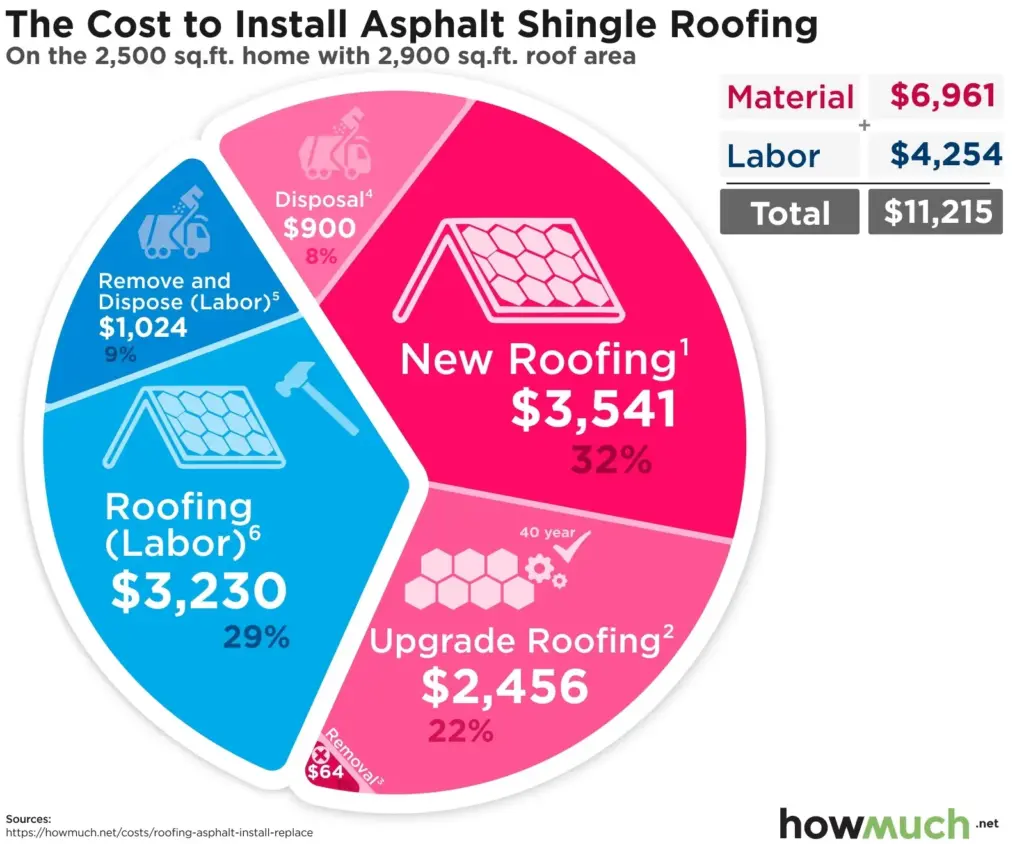
Several variables interact to shape the final invoice. Below is a breakdown of the most influential factors, each backed by 2026 data from the National Association of Home Builders (NAHB) and HomeAdvisor’s 2026 Roofing Cost Survey:
- Shingle quality and style: Basic three‑tab shingles cost roughly $75‑$100 per square (100 sq ft), while architectural or laminated shingles range from $110‑$150 per square. Premium designer shingles can exceed $200 per square.
- Geographic labor rates: Labor is the second‑largest expense, averaging $1.50‑$3.00 per square foot. Coastal states such as California and New York see the upper end due to higher wages and stricter building codes.
- Roof pitch and complexity: Steeper roofs, multiple valleys, or numerous penetrations (vents, skylights) increase both labor time and material waste, adding 10‑20 % to the base cost.
- Removal and disposal: Stripping the old shingle layer and hauling debris typically adds $0.75‑$1.00 per square foot. Some municipalities also impose disposal fees.
- Additional protective layers: Underlayment upgrades (e.g., synthetic felt vs. organic felt) and ice‑shield membranes in colder climates can add $0.30‑$0.70 per square foot.
When you combine a mid‑grade architectural shingle ($130 per square) with average labor ($2.20 per square foot) and standard removal, a typical 2,000‑sq ft roof yields a total of about $10,800—a figure that aligns closely with the national average reported by Remodeling Magazine’s 2026 Cost vs. Value Report.
Table of Contents
- What Determines the Average Asphalt Shingle Roof Replacement Cost in the USA?
- Regional Price Variations: Why One State Can Cost 30% More Than Another
- Breakdown of a Typical 2,000‑Sq Ft Asphalt Shingle Roof Replacement
- How Material Choices Influence Long‑Term Value
- Financing Your Roof Replacement: Options and Strategies
- Actionable Steps to Obtain an Accurate Quote
- Common Mistakes Homeowners Make When Budgeting for a Roof Replacement
- Frequently Asked Questions (FAQ)
- What is the average cost per square foot for asphalt shingle roof replacement in 2026?
- How long does a professional roof replacement take?
- Do I need a permit for a roof replacement?
- Can I replace only part of my roof?
- Is there a tax credit for roof replacement?
- Future Outlook: How Rising Material Costs May Impact 2027 Prices
- Conclusion: Planning for a Cost‑Effective Asphalt Shingle Roof Replacement
Regional Price Variations: Why One State Can Cost 30% More Than Another
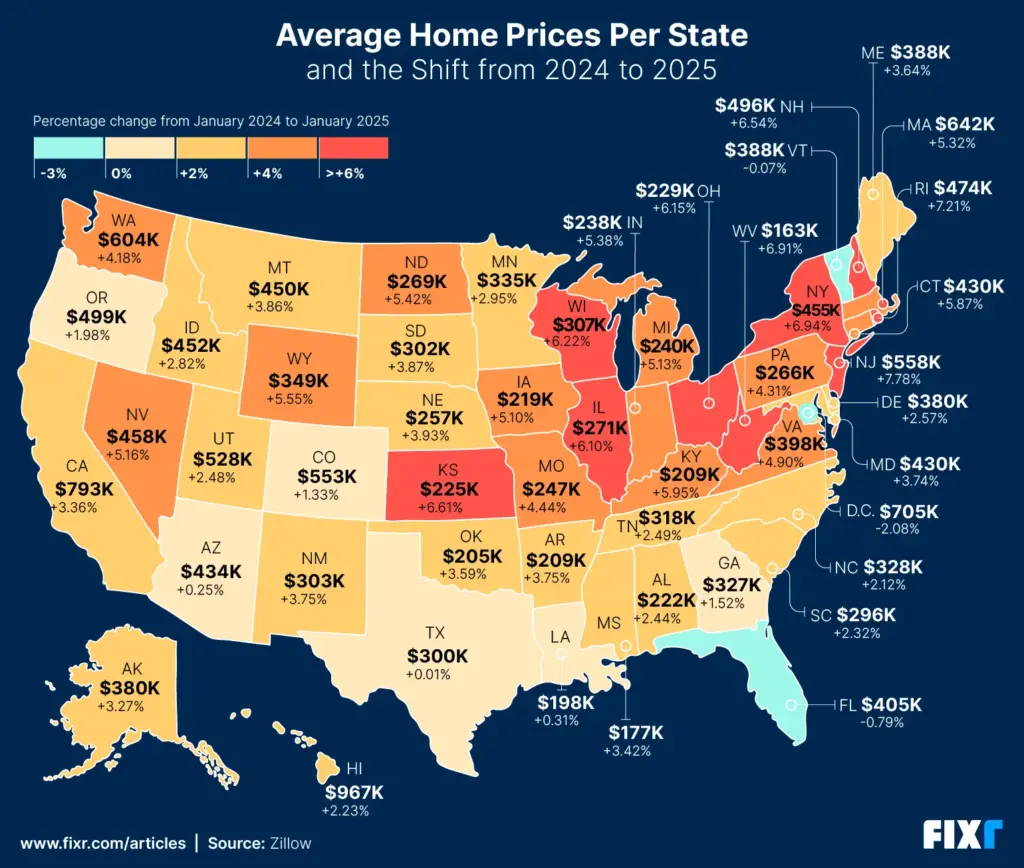
Even though the national average provides a useful benchmark, local market dynamics can swing the cost dramatically. For instance, a homeowner in Dallas, Texas, may pay $9,200 for a comparable roof, while a resident of San Francisco could see bills rise to $14,700. The disparity stems from:
- State‑specific licensing requirements and insurance premiums.
- Cost of living differences that affect contractor wages.
- Climate‑driven building codes (e.g., wind‑uplift standards in hurricane‑prone Florida).
- Material transportation costs in remote or mountainous regions.
Our Why California Roof Costs Differ From Other States article dives deeper into these regional nuances, offering a granular look at how local policies and market forces shape the final price tag.
Breakdown of a Typical 2,000‑Sq Ft Asphalt Shingle Roof Replacement
| Item | Cost Range (2026) | Notes |
|---|---|---|
| Removal & disposal | $1,500‑$2,300 | Includes labor and landfill fees. |
| Underlayment (synthetic felt) | $300‑$500 | More durable than organic felt. |
| Architectural shingles | $2,600‑$3,500 | Based on $130‑$150 per square. |
| Labor (installation) | $4,200‑$5,500 | Average $2.10‑$2.75 per sq ft. |
| Flashings & vent boots | $250‑$400 | Critical for waterproofing. |
| Warranty & cleanup | $150‑$250 | Typically included in contractor bid. |
The total falls between $8,500 and $12,500, confirming the earlier average. Homeowners seeking a more precise figure for their zip code can use our Roof Replacement Cost Calculator by Zip Code (2026), which adjusts for local labor rates, permitting fees, and material availability.
How Material Choices Influence Long‑Term Value
While the upfront price is a major concern, the life‑cycle cost matters just as much. Architectural shingles, though pricier, typically last 25‑30 years and offer better wind resistance. Homeowners who opt for premium options often enjoy lower insurance premiums and fewer repair calls, ultimately delivering a higher return on investment (ROI). According to the 2026 Remodeling Magazine ROI study, a well‑installed asphalt shingle roof recovers approximately 61 % of its cost at resale.
Financing Your Roof Replacement: Options and Strategies
Because a full roof replacement can strain cash flow, many homeowners turn to financing solutions. The most common avenues in 2026 include:
- Home equity lines of credit (HELOC): Offer low interest rates and flexible repayment, but require sufficient equity.
- Roofing-specific loans: Some lenders provide short‑term loans tied directly to roofing projects, often with promotional rates.
- Credit cards with introductory 0 % APR: Viable for smaller projects, though balance transfers can incur fees.
- Contractor financing programs: Many roofing companies partner with financial institutions to offer “no‑money‑down” plans.
Our Best Roofing Replacement Financing Options for Homeowners – Expert Guide 2026 outlines how to evaluate each option, compare APRs, and protect yourself from hidden fees.
Actionable Steps to Obtain an Accurate Quote
- Measure your roof accurately. Use satellite imagery tools or a professional measurement service to determine the exact square footage, including any overhangs.
- Gather multiple bids. Request at least three detailed proposals from licensed contractors. Each bid should itemize removal, underlayment, shingles, labor, and warranties.
- Check contractor credentials. Verify state licensing, insurance, and references via the Angie’s List or the Better Business Bureau.
- Ask about material warranties. Premium shingle manufacturers often provide 30‑year warranties, while labor warranties range from 10‑25 years.
- Factor in hidden costs. Include potential permit fees, attic ventilation upgrades, and any necessary structural repairs.
Following these steps reduces the risk of surprise expenses and ensures the quote you receive reflects true market conditions.
Common Mistakes Homeowners Make When Budgeting for a Roof Replacement
- Choosing the lowest bid without verifying scope. The cheapest offer may exclude essential steps like proper flashing or adequate underlayment.
- Ignoring regional price adjustments. Applying a national average to a high‑cost zip code can result in underfunded projects.
- Delaying removal of old shingles. Some contractors charge extra for “double‑layer” roofs because they must lift heavier loads.
- Neglecting financing terms. A low monthly payment can hide a high interest rate, extending the total cost beyond the original estimate.
Frequently Asked Questions (FAQ)
What is the average cost per square foot for asphalt shingle roof replacement in 2026?
Nationally, the cost ranges from $4.25 to $6.25 per square foot, inclusive of materials, labor, and disposal. Prices vary by region, with the West Coast typically at the higher end.
How long does a professional roof replacement take?
For a standard 2,000‑sq ft roof, most crews complete removal and installation within 3‑5 business days, assuming favorable weather conditions.
Do I need a permit for a roof replacement?
Yes, most states and municipalities require a building permit. Permit costs can range from $50 to $300, depending on local regulations.
Can I replace only part of my roof?
Partial replacements are possible but may lead to mismatched shingle ages and aesthetics. For optimal performance, a full‑roof replacement is recommended.
Is there a tax credit for roof replacement?
In 2026, the Federal Energy Efficiency Tax Credit does not apply to asphalt shingles. However, certain energy‑efficient roofing products (e.g., cool‑roof shingles) may qualify for a credit of up to 30 % of the installation cost.
Future Outlook: How Rising Material Costs May Impact 2027 Prices
Industry analysts from the Building Performance Institute project a 3‑5 % annual increase in asphalt shingle prices due to raw material shortages and heightened demand for sustainable roofing solutions. Homeowners planning a replacement in the next 12‑18 months should consider locking in pricing through a written contract and possibly exploring bulk‑order discounts.
Conclusion: Planning for a Cost‑Effective Asphalt Shingle Roof Replacement
Understanding the components that drive the average asphalt shingle roof replacement cost in the USA empowers you to negotiate confidently, select the right materials, and secure financing that aligns with your cash flow. By leveraging regional cost calculators, comparing multiple contractor bids, and avoiding common budgeting pitfalls, you can ensure a durable, aesthetically pleasing roof without breaking the bank.
Ready to start your project? Use our zip‑code based cost calculator today, and explore financing options in our expert guide to keep your budget on track.
