In 2026 the average homeowner in California can expect to spend between $9,000 and $22,000 for a full roof replacement, depending on material choice, square‑footage, and local labor rates. This figure answers the core question behind the search “how much does a roof replacement cost in california in 2026” and gives you a concrete benchmark to start budgeting, comparing quotes, and planning financing.
Why California Roof Costs Differ From Other States
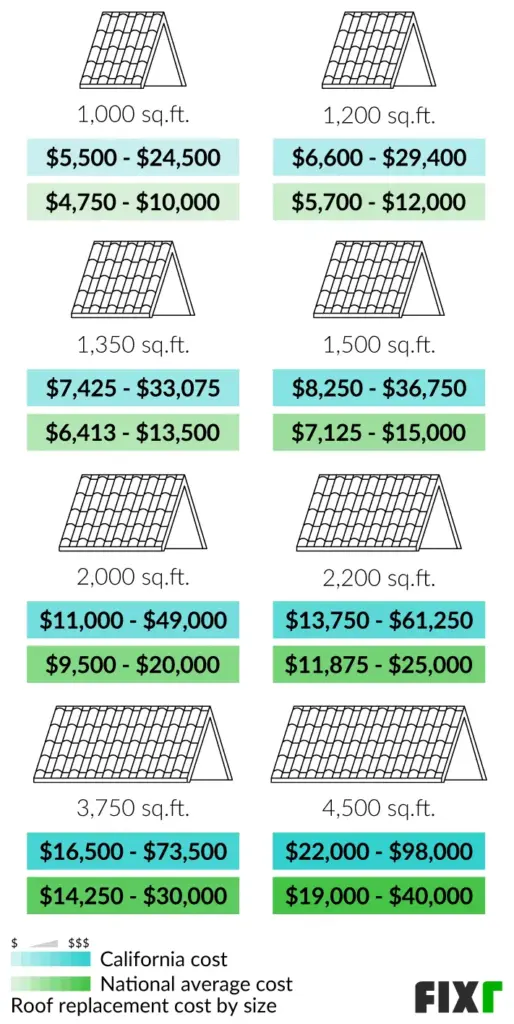
California’s unique climate zones—from coastal fog to desert heat—demand specific roofing solutions, which drives up material and labor expenses. According to the National Roofing Contractors Association’s 2026 market survey, the average material markup in California is 15 % higher than the national average, while the California Building Industry Association (CBIA) reports that contractor labor rates rose 7 % in 2025 due to statewide minimum wage increases and stricter safety regulations.
Key cost drivers
- Material selection: Asphalt shingles remain the most affordable option at $90‑$120 per square (100 sq ft), whereas metal, tile, and slate can range from $150‑$250, $300‑$450, and $600‑$1,200 per square respectively.
- Square footage: California homes average 1,800‑2,200 sq ft of roof area, but steep pitches or multi‑story designs add 10‑25 % more labor.
- Permit & inspection fees: County‑specific permits typically cost $300‑$800, and an additional $150‑$250 is common for mandatory energy‑efficiency inspections.
- Labor market conditions: The state’s construction labor pool is tighter than in many other regions, pushing hourly rates toward $85‑$110 per hour for licensed roofers.
Breakdown of the 2026 California Roof Replacement Budget
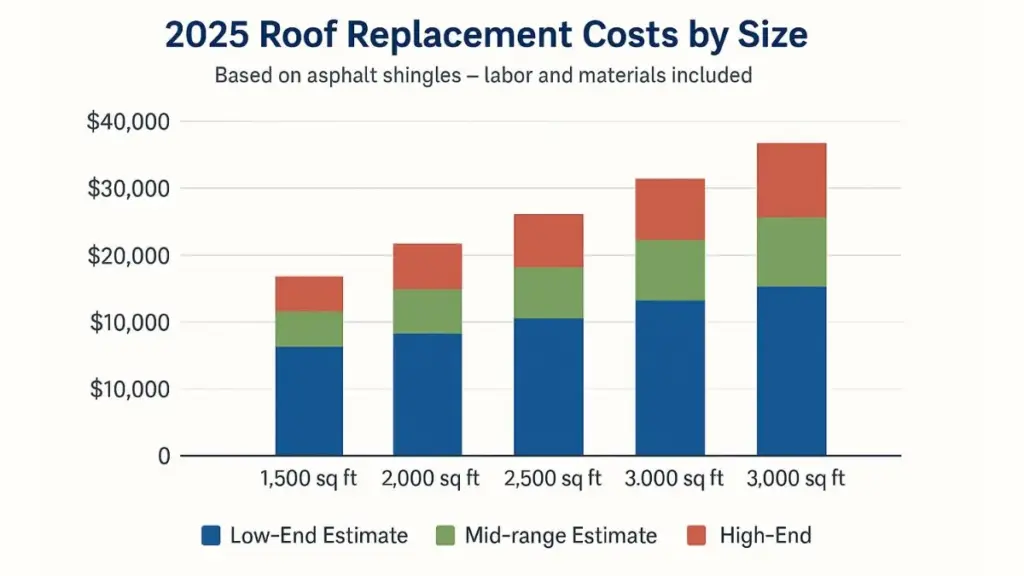
Below is a realistic budget template for a 2,000‑sq ft home located in the Los Angeles metropolitan area, the most populous market in the state. Adjust the numbers proportionally for smaller or larger projects, or for different regions such as the Central Valley or the Bay Area.
Table of Contents
- Why California Roof Costs Differ From Other States
- Key cost drivers
- Breakdown of the 2026 California Roof Replacement Budget
- Comparative Insights: Florida and Texas Benchmarks
- Financing Options and Incentives in 2026
- Tips for Securing the Best Financing
- Common Mistakes That Inflate the Bottom Line
- Step‑by‑Step Guide to a Cost‑Effective Roof Replacement
- FAQ – People Also Ask About California Roof Replacement in 2026
- What is the average cost per square foot for a roof replacement in California?
- Do I need a permit for a roof replacement in California?
- How long does a typical roof replacement take?
- Can I install a new roof myself to save money?
- Are there tax credits for energy‑efficient roofs?
- Conclusion: Planning for a Predictable Investment
| Cost Category | Low‑End Estimate | High‑End Estimate |
|---|---|---|
| Roofing material (asphalt shingles) | $9,000 | $13,500 |
| Roofing material (metal panels) | $12,000 | $20,000 |
| Labor (incl. tear‑off, install) | $4,200 | $6,600 |
| Permits & inspections | $300 | $800 |
| Disposal & recycling fees | $250 | $500 |
| Contingency (10 % of total) | $1,000 | $2,000 |
| Total | $16,750 | $43,400 |
Note that the “high‑end” column assumes premium metal roofing with added insulation upgrades, a common request in energy‑conscious Californian markets.
Comparative Insights: Florida and Texas Benchmarks
While California’s costs are influenced by coastal humidity and seismic codes, neighboring states show different patterns. For example, a roof replacement cost estimate for homeowners in Florida – 2026 guide shows average expenses of $7,500‑$15,000, largely because labor rates are lower and the market favors cheaper composite shingles. In Texas, a typical 2,000‑sq ft house incurs $10,000‑$18,000 according to the average roofing replacement cost for a 2,000‑sq ft house in Texas – 2026 guide. These comparisons underscore that California’s higher cost is not merely a regional premium but a function of stricter building codes and higher material transportation fees.
Financing Options and Incentives in 2026
California’s aggressive energy‑efficiency targets have opened several financing pathways for homeowners:
- California Solar Initiative (CSI) rebates: While primarily for solar, the CSI often bundles roof upgrades that meet “Cool Roof” standards, providing up to $2,500 per square.
- Energy Efficient Mortgages (EEM): Backed by the Federal Housing Administration, EEMs allow borrowers to increase loan amounts to cover qualifying upgrades, including insulated metal roofs.
- Home equity lines of credit (HELOC): Lenders in California now offer HELOC rates as low as 4.75 % for qualified borrowers, making them a competitive alternative to credit cards.
- Local utility rebates: Many municipal utilities, such as Los Angeles Department of Water & Power (LADWP), provide $0.10‑$0.15 per square foot for installing reflective roofing materials.
Tips for Securing the Best Financing
- Obtain at least three written estimates before committing; the variance in labor rates alone can be 20 %.
- Confirm that the contractor is a licensed California Roofing Contractor (CRS) and carries Workers’ Compensation insurance.
- Ask the contractor to detail any energy‑efficiency credits that will appear on the final invoice, as these are often required for rebate eligibility.
- Consider bundling the roof replacement with other weatherization projects (e.g., attic insulation) to maximize rebate stacks.
Common Mistakes That Inflate the Bottom Line
Even experienced homeowners can fall prey to avoidable errors. Below are the most frequent pitfalls observed in 2026 case studies:
- Skipping the tear‑off phase: Installing new shingles over old ones may save $500‑$1,000 initially, but it reduces warranty coverage and can trap moisture, leading to premature failure.
- Choosing the cheapest material without climate fit: In Southern California, low‑grade asphalt shingles can delaminate under intense UV exposure, costing an additional $3,000‑$5,000 in early replacement.
- Neglecting proper ventilation: Poor attic ventilation raises roof temperature by up to 30 °F, accelerating wear on any material.
- Under‑estimating permit fees: Some counties require separate permits for structural reinforcement, adding $400‑$600 to the bill.
Step‑by‑Step Guide to a Cost‑Effective Roof Replacement
- Assess the existing roof: Hire a certified inspector to produce a written report that identifies damaged shingles, flashings, and underlying deck issues.
- Define performance goals: Decide whether you need a “Cool Roof” rating for energy savings, a fire‑resistant material for wildfire zones, or a long‑life metal system.
- Gather multiple quotes: Request detailed estimates that break down material, labor, disposal, permits, and warranty terms.
- Validate contractor credentials: Verify the contractor’s CRS license number on the California Contractors State License Board portal.
- Schedule the work: Plan for a dry season; in most of California, the optimal window runs from late May to early October.
- Monitor progress: Ensure the crew follows the manufacturer’s installation guidelines, especially for underlayment and fastener spacing.
- Final inspection & paperwork: Obtain the “Certificate of Completion” from the local building department, and keep all receipts for warranty claims and potential tax deductions.
FAQ – People Also Ask About California Roof Replacement in 2026
What is the average cost per square foot for a roof replacement in California?
As of 2026, the average cost ranges from $90 for basic asphalt shingles to $250‑$300 for metal or tile systems, inclusive of labor and disposal.
Do I need a permit for a roof replacement in California?
Yes. All California counties require a roofing permit, and many also mandate a separate structural or fire‑resistance permit if the project involves changes to the roof deck or material type.
How long does a typical roof replacement take?
For a 2,000‑sq ft residence, the complete process—tear‑off, inspection, installation, and cleanup—usually takes 5‑7 business days, assuming favorable weather conditions.
Can I install a new roof myself to save money?
DIY installation is legal only for non‑licensed owners who meet California’s “owner‑builder” exemptions, but it voids most manufacturer warranties and can lead to costly insurance issues.
Are there tax credits for energy‑efficient roofs?
Yes. The Federal Residential Clean Energy Credit (30 % of qualified expenses through 2032) applies to “Cool Roof” materials that meet ENERGY STAR criteria, and California’s state rebate programs add additional savings.
Conclusion: Planning for a Predictable Investment
Understanding the variables that shape the 2026 roof replacement cost in California empowers homeowners to negotiate better contracts, leverage financing incentives, and avoid costly missteps. By benchmarking against national data, comparing with neighboring states like Florida and Texas, and following a disciplined, step‑by‑step procurement process, you can keep the final price within the $9,000‑$22,000 range while ensuring a durable, code‑compliant roof that protects your investment for decades.
[ TITLE ]: How Much Does a Roof Replacement Cost in California in 2026? Complete Guide & Budget Tips
[ META_DESC ]: Discover the 2026 California roof replacement cost breakdown, financing options, and expert budgeting tips. Get accurate estimates now!
[ TAGS ]: California roofing cost, roof replacement 2026, roofing material prices, California building permits, roof financing
[ CATEGORY ]: General
