Homeowners with a 2,500‑square‑foot residence often wonder exactly how much a full roof replacement will set them back, and the answer hinges on square‑footage, material choice, regional labor rates, and whether insurance can offset part of the expense. In 2026 the typical cost ranges from $18,000 to $42,000, but a precise estimate requires breaking down each cost driver and applying localized data. For a quick benchmark, see the average labor cost for roof replacement in the United States 2026 which provides a useful national perspective.
Why the Cost Varies So Much for a 2,500‑Sq‑Ft Home
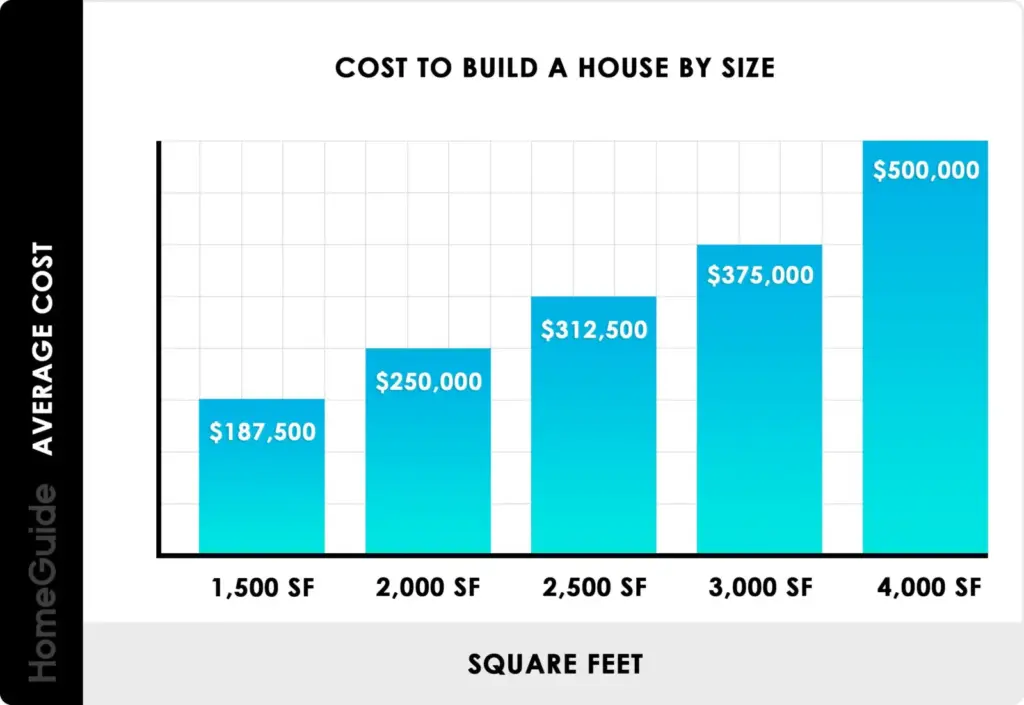
Unlike a simple “price per square foot” figure, the total outlay reflects a combination of material, labor, disposal, and ancillary fees. The most common variables include:
- Roofing material options – asphalt shingles, metal panels, clay tiles, or synthetic slate each have distinct price points and lifespan expectations.
- Regional labor rates – contractors in high‑cost states such as California or New York charge up to 30 % more than those in the Midwest.
- Roof pitch and complexity – steep or multi‑story roofs increase safety requirements, scaffolding, and the time needed for installation.
- Existing roof condition – removal of old decking, repair of rotten wood, or addressing water damage adds to the total.
- Permits and inspections – local building codes often require permits that range from $150 to $1,200.
Breakdown of the 2026 Cost Components
1. Material Costs (per square)
A “square” equals 100 sq ft; therefore a 2,500‑sq‑ft roof translates to 25 squares. Below are 2026 average material prices sourced from the National Roofing Contractors Association (NRCA) 2026 market report:
Table of Contents
- Why the Cost Varies So Much for a 2,500‑Sq‑Ft Home
- Breakdown of the 2026 Cost Components
- 1. Material Costs (per square)
- 2. Labor Expenses
- 3. Disposal and Hauling
- 4. Permits, Inspections, and Warranty
- Sample Cost Scenarios for a 2,500‑Sq‑Ft Home
- How Insurance Impacts Your Bottom Line
- Financing Options and Savings Strategies
- Common Pitfalls to Avoid
- FAQ – Quick Answers for Busy Professionals
- What is the average cost per square foot for a 2,500‑sq‑ft roof replacement in 2026?
- Can I replace only part of the roof to save money?
- How long does a typical roof replacement take?
- Do I need a building permit for a roof replacement?
- Is metal roofing worth the higher upfront cost?
- Putting It All Together: A Step‑by‑Step Planning Checklist
- Architectural asphalt shingles: $85–$120 per square
- Premium metal roofing (steel or aluminum): $150–$220 per square
- Clay or concrete tiles: $190–$260 per square
- Synthetic slate (polymer‑based): $210–$280 per square
Choosing a high‑end material can add $2,500–$5,000 to the overall budget, but it often reduces long‑term maintenance expenses.
2. Labor Expenses
The NRCA reports that the national average labor cost for roof replacement in 2026 sits between $3.50 and $5.75 per square foot, equivalent to $8,750–$14,375 for a 2,500‑sq‑ft home. Labor rates are heavily influenced by local market conditions; for example, the Average Labor Cost for Roof Replacement in the United States 2026 – Detailed Breakdown & Savings Strategies article shows that contractors in the Pacific Northwest typically charge $4.20 per square foot, whereas the Southeast averages $3.80.
3. Disposal and Hauling
Removing the old roof and transporting debris to a landfill typically costs $400–$800, depending on the volume and local tipping fees. If the existing decking must be replaced, add $2–$5 per square foot for new plywood.
4. Permits, Inspections, and Warranty
Municipal permits range from $150 in smaller jurisdictions to $1,200 in high‑density urban areas. Many reputable contractors bundle a limited warranty (10–20 years) into the base price; extended warranties can add $500–$1,500.
Sample Cost Scenarios for a 2,500‑Sq‑Ft Home
Below are three realistic scenarios that illustrate how material selection and regional labor influence the final bill.
| Scenario | Material | Material Cost | Labor | Other Fees | Total (2026 USD) |
|---|---|---|---|---|---|
| Budget | Standard 3‑tab asphalt shingles | $2,125 | $9,000 | $1,200 (permits & disposal) | $12,325 |
| Mid‑range | Architectural asphalt shingles | $3,250 | $11,250 | $1,600 (incl. decking) | $16,100 |
| Premium | Metal roofing (steel) | $5,500 | $14,375 | $2,200 (permits, disposal, extended warranty) | $22,075 |
How Insurance Impacts Your Bottom Line
If the replacement follows a covered event such as wind or hail damage, homeowners may recover a large portion of the expense through insurance. The Roof Replacement Cost for Insurance Claims After Storm Damage – Expert Guide 2026 explains that insurers typically assess the “actual cash value” (ACV) versus “replacement cost value” (RCV). Selecting an RCV policy and maintaining detailed documentation of material and labor invoices can increase the reimbursable amount by up to 25 %.
Financing Options and Savings Strategies
Even with a solid insurance claim, many homeowners need supplemental financing. The following avenues are most common in 2026:
- Home equity lines of credit (HELOC) – Low interest rates (3.5 %–5.5 %) and tax‑deductible interest for qualified properties.
- Roof‑specific financing programs – Some manufacturers partner with lenders to offer 0 % APR for up to 12 months on metal roofing.
- Energy‑efficiency rebates – Upgrading to reflective metal or cool‑roof asphalt can qualify for federal tax credits (up to $1,000) and state‑level incentives.
To maximize savings, request at least three detailed bids, verify contractor licensing through the State Contractor Licensing Board, and negotiate for bundled disposal and warranty packages.
Common Pitfalls to Avoid
Professional contractors see recurring mistakes that inflate costs:
- Choosing the lowest‑priced contractor without reviewing credentials. A sub‑par crew may require re‑work, adding 15–30 % to the original estimate.
- Neglecting roof ventilation. Improper airflow can shorten the lifespan of asphalt shingles by 5–7 years, leading to premature replacement.
- Skipping a structural inspection. Hidden rot or weak trusses, if undiscovered, can cause catastrophic failures after the new roof is installed.
- Not accounting for future resale value. High‑quality materials like metal can increase home appraisal values by 3–5 % in many markets.
FAQ – Quick Answers for Busy Professionals
What is the average cost per square foot for a 2,500‑sq‑ft roof replacement in 2026?
Across the United States, the total cost averages $7.50–$16.80 per square foot, depending on material and region.
Can I replace only part of the roof to save money?
Partial replacements are possible, but they often create a “patchwork” effect that reduces overall durability and may void warranties. Full replacement remains the most cost‑effective long‑term solution.
How long does a typical roof replacement take?
For a 2,500‑sq‑ft home, most crews complete removal, repairs, and installation within 7–10 business days, weather permitting.
Do I need a building permit for a roof replacement?
Yes, nearly all municipalities require a permit. The cost varies, but it is a non‑negotiable part of the budgeting process.
Is metal roofing worth the higher upfront cost?
Metal roofs cost 30–45 % more than asphalt shingles but can last 50 + years, offer superior fire resistance, and qualify for energy rebates, making them a financially sound choice for many homeowners.
Putting It All Together: A Step‑by‑Step Planning Checklist
- Assess roof condition. Hire a certified inspector to produce a written report.
- Determine material preference. Factor in climate, aesthetic goals, and long‑term ROI.
- Obtain three detailed estimates. Ensure each includes material, labor, disposal, permits, and warranty.
- Review insurance policy. Confirm coverage limits, deductible, and whether you need an ACV or RCV claim.
- Secure financing. Compare HELOC, manufacturer‑backed financing, and any applicable rebates.
- Schedule installation. Align with favorable weather windows and contractor availability.
- Conduct final inspection. Verify work meets local codes, warranty terms, and manufacturer specifications.
By following this roadmap, a homeowner can confidently navigate the complexities of a roof replacement for a 2,500‑square‑foot home and achieve a balance between cost efficiency and long‑lasting protection.
For deeper insight into how different roofing materials compare, see the Metal Roof Replacement Cost Compared to Asphalt Shingles – 2026 Cost Analysis & Savings Guide. If your property is a two‑story design, the Roof Replacement Cost for a Two‑Story House in America 2026 article offers a tailored cost breakdown.
